

Contents
- 1 Main Applications of Natural Rubber Latex 60% DRC
- 2 What Is Natural Rubber Latex 60% DRC?
- 3 Latex for Glove Manufacturing
- 4 Latex for Mattresses and Foam
- 5 Latex for Rubber Thread Manufacturing
- 6 Latex for Adhesive Manufacturing
- 7 What Should Buyers Check Before Selecting Latex?
- 8 Frequently Asked Questions
- 9 Conclusion
The main applications of natural rubber latex include gloves and dipped products, mattresses and foam, rubber thread, and water-based adhesives. Its elasticity and film-forming ability make it suitable for dipping, foaming, thread formation, compounding, bonding and coating.
However, manufacturers should select the latex grade against their approved specification, formulation and production process—not the application name alone.
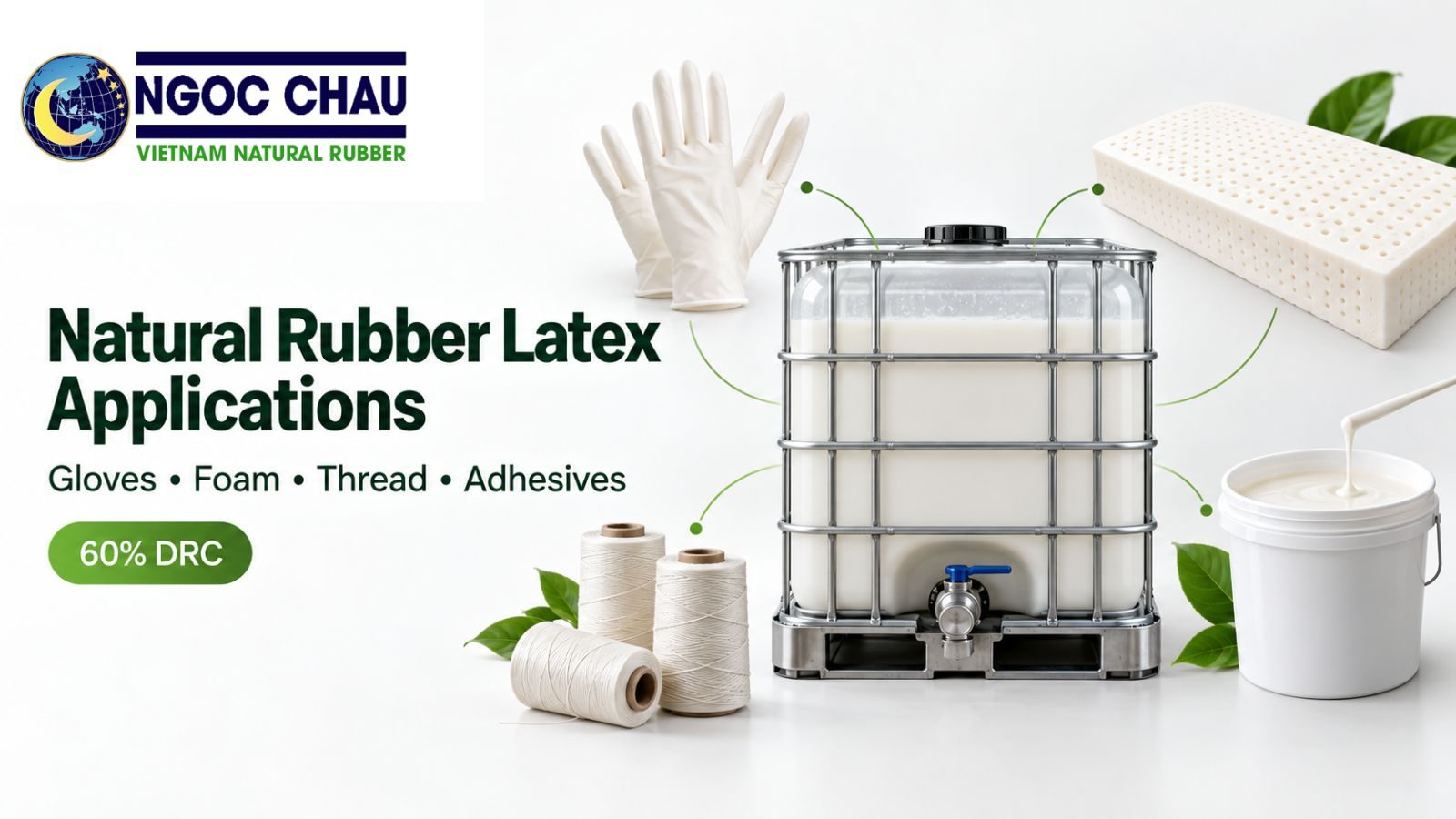
Main Applications of Natural Rubber Latex 60% DRC
Natural Rubber Latex 60% DRC supports different manufacturing processes, each with its own production priorities.
| Application | Typical products | Process |
Main production considerations
|
| Gloves | Medical, examination, household and coated gloves | Dipping |
Film formation, dipping stability, cleanliness and batch consistency
|
| Mattresses & Foam | Mattress cores, pillows, toppers, cushions and latex-bonded coir products | Foaming, vulcanization or bonding |
Foaming behaviour, formulation compatibility and material consistency
|
| Latex Thread | Elastic thread, garment elastic and textile components | Thread formation and curing |
Clean processing, compound stability and consistent thread formation
|
| Adhesives | Footwear adhesive, lamination, carpet and selected BOPP tape formulations | Compounding and coating |
Formulation compatibility, viscosity, coating behaviour and finished-adhesive performance
|
What Ngoc Chau Sees in Buyer Inquiries
Based on recurring inquiries and application requirements received by Ngoc Chau:
- Glove buyers commonly ask for Latex HA.
- Mattress and Foam buyers often inquire about LA or lower-ammonia latex.
- Latex thread inquiries may specify MA or HA Latex.
- Adhesive and Glue inquiries commonly include Latex HA.
These are recurring purchasing patterns—not universal grade recommendations. Final selection should follow the factory’s approved specification, formulation and production process.
What Is Natural Rubber Latex 60% DRC?
Natural rubber latex is a water-based material obtained from the rubber tree, Hevea brasiliensis. Fresh field latex is filtered and centrifuged to increase its dry rubber concentration for industrial use.
Key points:
- DRC: Indicates the percentage of dry rubber present in the latex. Ngoc Chau’s reference specification is DRC ≥60%.
- HA, MA and LA: Differ mainly in ammonia level and preservation system.
- Grade selection: Depends on the production process, preservation needs and approved raw-material specification.
Review the available grades and technical information for Natural Rubber Latex 60% DRC.
Latex for Glove Manufacturing
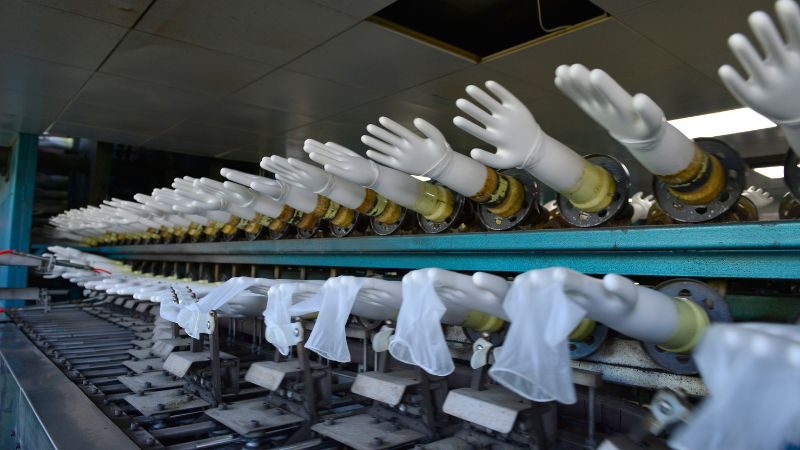
Natural rubber latex is used in medical, examination, household, industrial and coated gloves. During dipping, compounded latex forms a thin rubber film on prepared formers.
After compounding and vulcanization, natural rubber latex can form thin, flexible and elastic films. This combination makes it suitable for many dipped products that require flexibility and elastic recovery.
For glove manufacturers, important considerations include:
- Thin and flexible film formation.
- Elastic recovery after stretching.
- Stable behaviour during dipping.
- Cleanliness and controlled coagulum.
- Consistency between supplied batches.
DRC alone does not confirm suitability for glove production; the factory should also evaluate the latex against its formulation, dipping conditions and finished-product requirements.
Learn more about Natural Rubber Latex for glove manufacturing.
Latex for Mattresses and Foam
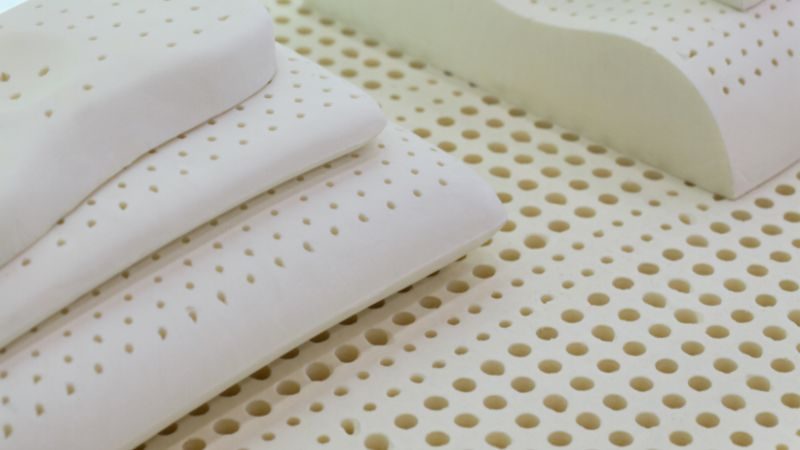
Natural rubber latex is used to produce foam cores for mattresses, pillows, toppers and cushions. In foam production, compounded latex is foamed, shaped and vulcanized to create an elastic cellular structure.
In latex-bonded coir products, the function is different: latex is used as a bonding material to help bind the coir fibres rather than forming the entire foam core.
For foam manufacturers, the main considerations are:
- Stable foaming behaviour.
- Consistent raw-material quality between batches.
- Compatibility with the factory’s foam formulation.
- Clean material with controlled coagulum and sediment.
- Ability of the complete formulation to meet the required foam density, firmness and resilience.
Density, firmness and resilience are properties of the finished foam. They depend on the complete formulation and production process, not on the latex grade alone.
Latex for Rubber Thread Manufacturing
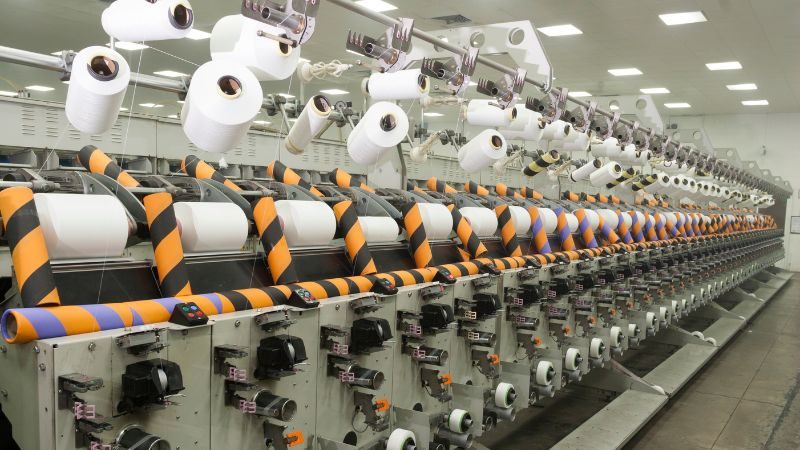
Natural rubber latex is used to manufacture elastic rubber thread for garments, garment elastic and other textile components.
In rubber-thread manufacturing, compounded latex is formed into continuous strands and processed through the factory’s coagulation, washing, drying and curing stages.
The elasticity and elastic recovery of the cured material make natural rubber latex suitable for textile components that must repeatedly stretch and return toward their original dimensions.
Manufacturers should evaluate:
- Controlled and consistent thread formation.
- Clean processing with limited unwanted particles.
- Consistency between raw-material batches.
- Stable behaviour within the compound.
- Elastic performance after curing.
Laboratory evaluation or a controlled trial may be required before commercial approval.
Latex for Adhesive Manufacturing
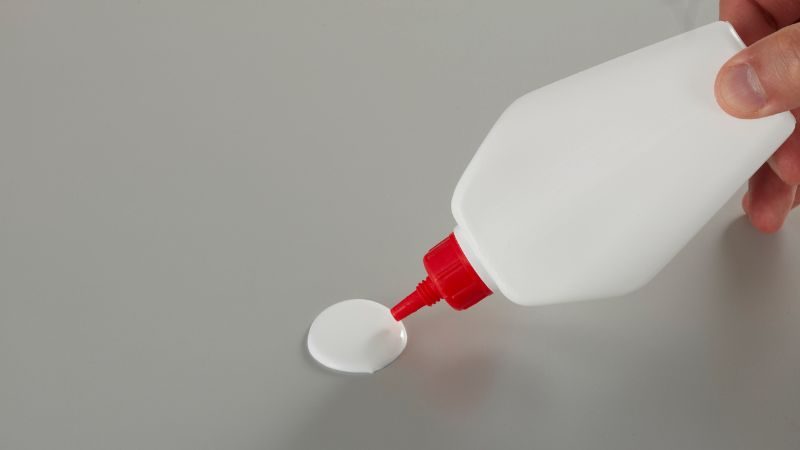
Natural rubber latex may be used as a base material in suitable water-based adhesive formulations, including:
- Footwear adhesives.
- Material lamination.
- Carpet applications.
- Selected BOPP tape adhesive formulations.
In these formulations, latex can contribute to a flexible adhesive film, while the required tack, bonding strength and coating performance depend on the complete formulation.
Manufacturers should evaluate how the latex behaves within the complete formulation and whether the finished adhesive meets the required tack and bonding performance.
Other important considerations include:
- Viscosity and coating behaviour.
- Stability during compounding.
- Compatibility with additives.
- Suitability for the target substrate.
- Finished-film flexibility.
Suitability should be confirmed against the formulation, coating method, target substrate and required finished-adhesive performance.
What Should Buyers Check Before Selecting Latex?
Use the following six steps when evaluating a latex product or supplier:
- Define the end product
Identify exactly what the factory manufactures. - Confirm the manufacturing process
Determine whether the latex will be used for dipping, foaming, thread formation, compounding or coating. - Review the current grade
Record the latex grade and preservation system already approved or in use. - Compare specifications
Match the supplier’s specification with the factory’s raw-material requirements. - Confirm preservation requirements
Confirm the required ammonia level and preservation system. - Validate where necessary
Conduct laboratory evaluation or a controlled production trial when required by the factory’s approval process.
For the next step:
- Review Latex 60% DRC grades and specifications.
- Learn How to evaluate Natural Rubber Latex quality.
- Compare Natural Rubber Latex packing options.
Frequently Asked Questions
What is Natural Rubber Latex 60% DRC mainly used for?
It is mainly used in gloves and dipped products, mattresses and foam, rubber thread, and suitable water-based adhesives. Other uses include balloons, latex bladders, condoms and coated goods.
Can the same latex grade be used for different applications?
Possibly. Suitability depends on the factory’s formulation, preservation requirements, approved specification and production process—not the application name alone.
Should manufacturers conduct a production trial?
A trial is recommended when introducing a new grade, specification or supplier, especially for process-sensitive applications.
Conclusion
Natural Rubber Latex 60% DRC is mainly used in gloves and dipped products, mattresses and foam, rubber thread, and suitable water-based adhesive formulations. Each application has its own manufacturing process and material requirements.
HA, MA or LA Latex should not be selected by application name alone. The final grade should match the factory’s approved specification, formulation, preservation requirements and production process.
If you are evaluating Natural Rubber Latex for your production, please send us your application, required grade and specification, quantity, preferred packing and destination port. Ngoc Chau will review the information and prepare a relevant quotation.
Hotline / WhatsApp: +84 762 798 888
Email: info@ngocchausupplier.com


 Ms Evan