

Contents
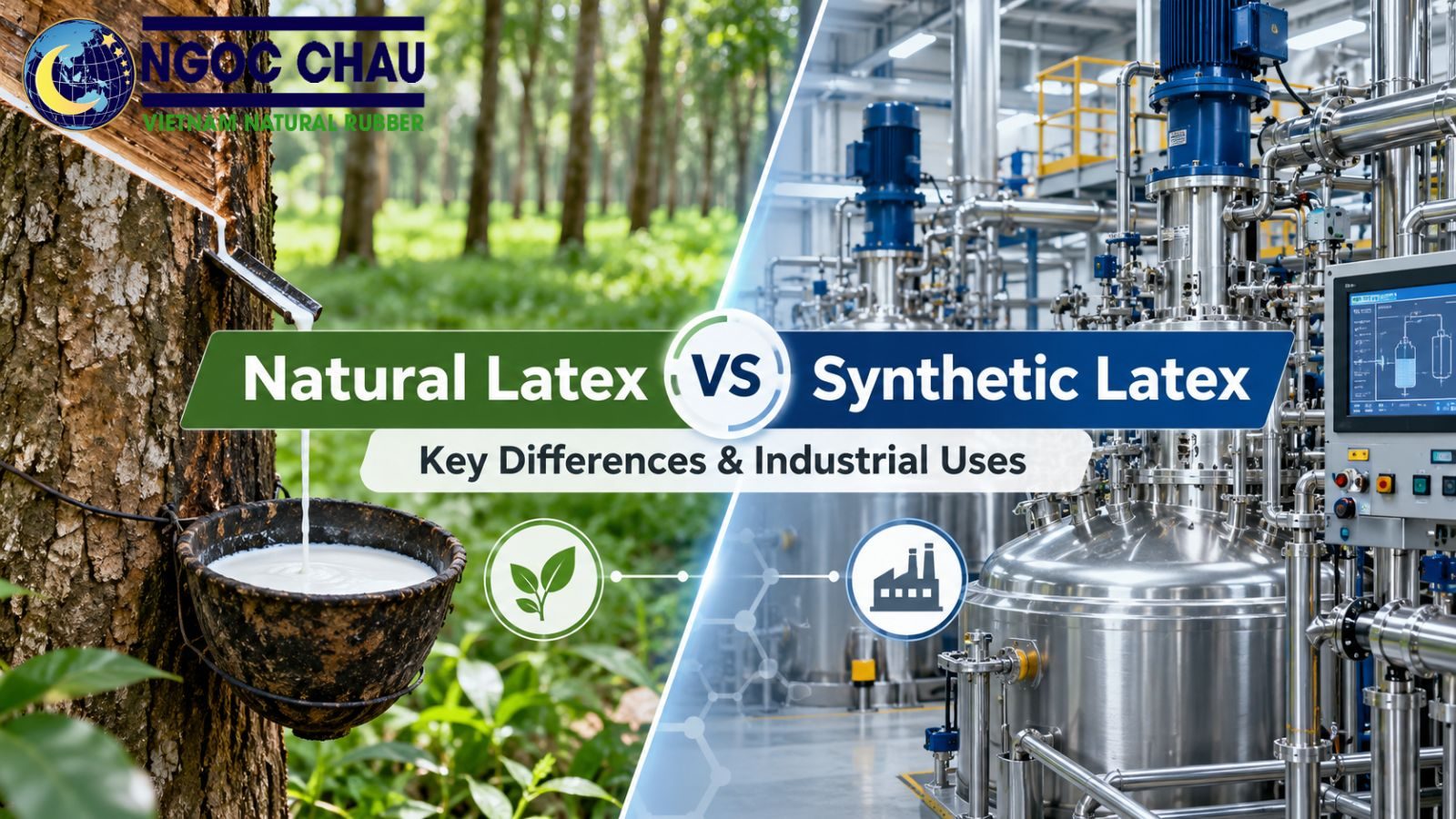
Natural latex vs synthetic latex differs mainly in origin, polymer type and performance. Natural rubber latex comes from the Hevea brasiliensis rubber tree, while synthetic latex is manufactured from polymers such as NBR, SBR or acrylic.
Neither is universally better. The right choice depends on the product being manufactured, processing conditions and required properties such as elasticity, oil resistance, chemical resistance and film performance.
Natural Latex vs Synthetic Latex at a Glance
| Factor | Natural Rubber Latex | Synthetic Latex |
| Origin | Latex from Hevea brasiliensis |
Manufactured polymer
|
| Main polymer | Natural polyisoprene |
NBR, SBR, acrylic and others
|
| Elasticity | Typically very high |
Depends on polymer
|
| Oil resistance | More limited |
NBR generally performs better
|
| Chemical resistance | Application-dependent |
Depends strongly on polymer
|
| Natural latex proteins | Present | Absent |
| Typical applications | Gloves, latex foam, mattresses, dipped products |
Nitrile gloves, carpet, coatings, paper, adhesives
|
| Main selection factor | Elasticity, flexibility and process requirements |
Required chemical and functional performance
|
The biggest mistake is treating synthetic latex as one material. Different synthetic polymers provide different properties, so NBR, SBR and acrylic latex should be evaluated separately for the intended application.
What Are Natural and Synthetic Latex?
Natural Rubber Latex
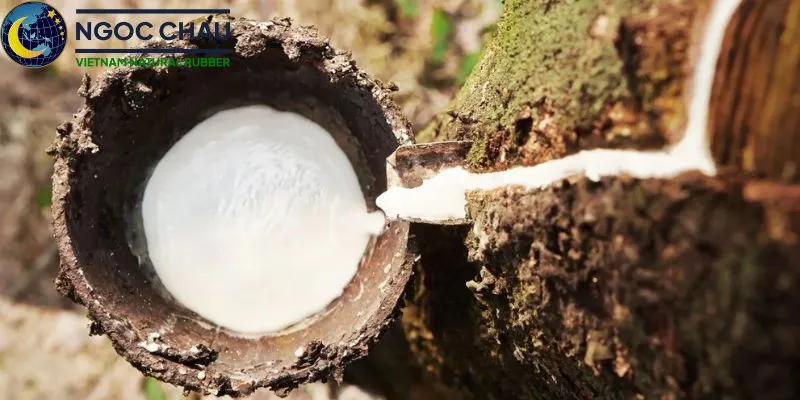
Natural rubber latex is an aqueous dispersion obtained from the Hevea brasiliensis tree. Its main rubber polymer is natural polyisoprene, which provides the high elasticity and flexibility associated with natural rubber.
For industrial use, field latex can be concentrated into products such as Natural Rubber Latex 60% DRC, allowing manufacturers to use a more concentrated and controlled raw material.
Synthetic Latex
Synthetic latex is an aqueous dispersion of polymers manufactured through industrial polymerization. Unlike natural rubber latex, synthetic latex describes a group of materials rather than one specific polymer.
Common examples include:
- NBR Latex: commonly used for nitrile gloves and applications where oil and certain chemical resistance are important.
- SBR Latex: widely used in carpet backing, paper coating, adhesives and binder systems.
- Acrylic Latex: commonly used in paints, coatings and formulations requiring specific weathering or coating performance.
The properties of synthetic latex therefore depend heavily on the polymer and formulation selected.
Which Latex Is Suitable for Different Applications?
The choice between natural and synthetic latex depends on the finished product and its performance requirements.
1. Gloves
-
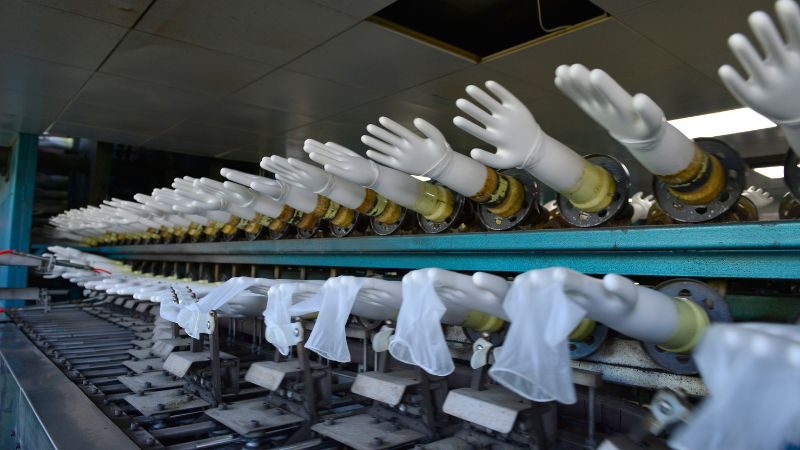
Natural Latex: Excellent elasticity and flexibility.
-
Synthetic Latex (NBR): Oil and chemical resistance; avoids natural latex proteins.
-
Buyer Focus: Elasticity, protection and allergy considerations.
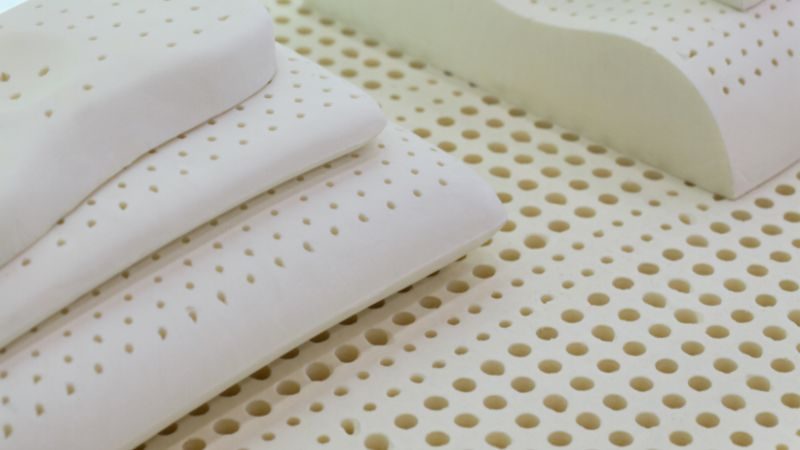
2. Foam & Mattresses
-
Natural Latex: Widely used for elastic, resilient latex foam.
-
Synthetic Latex: May be incorporated into blended foam formulations.
-
Buyer Focus: Comfort, resilience and foam performance.

3. Adhesives
-
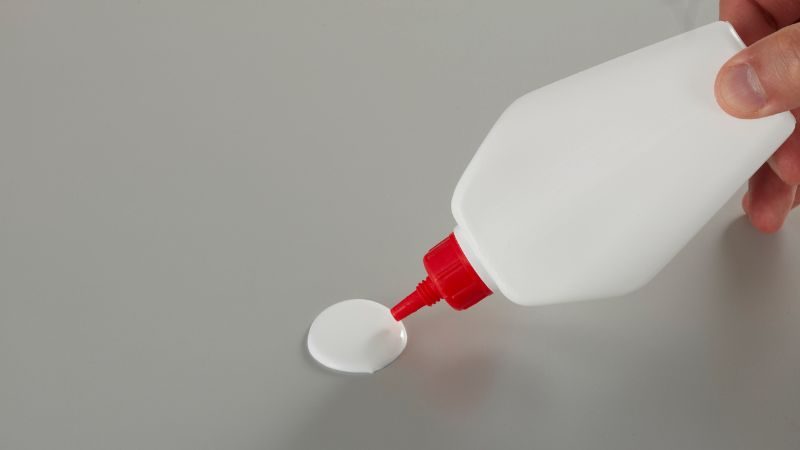
Natural Latex: Suitable for flexible rubber-based adhesives.
-
Synthetic Latex (SBR/Acrylic): Used where specific adhesion and resistance properties are required.
-
Buyer Focus: Bond strength, substrate compatibility and durability.
4. Dipped Products
-
Natural Latex: Suitable for elastic dipped rubber products.
-
Synthetic Latex (NBR): Selected for specific chemical-resistance requirements.
-
Buyer Focus: Film flexibility, strength and end-use performance.
5. Carpet & Coatings
-
Natural Latex: Used in selected specialty formulations.
-
Synthetic Latex (SBR/Acrylic): Commonly used in carpet backing, paper and coatings.
-
Buyer Focus: Binding performance, coating properties and durability.
Key Takeaway: Natural rubber latex is often preferred for high elasticity and flexible films, while NBR, SBR and acrylic latex serve applications requiring specific resistance, binding or coating properties.
Can Natural and Synthetic Latex Replace Each Other?
Not always. Natural and synthetic latex should not be treated as direct 1:1 substitutes.
Changing the polymer system can affect:
- Viscosity
- Compound stability
- Curing behavior
- Film formation
- Elasticity and tensile properties
- Oil and chemical resistance
- Finished-product performance
A factory using natural rubber latex cannot assume that NBR or SBR will run under the same formulation and processing conditions.
Likewise, replacing a synthetic latex with natural rubber latex may require changes to compounding, processing and quality requirements.
A safer approach is:
Specification Review → Laboratory Trial → Production Trial → Approval
For process-sensitive products, the final decision should be based on the approved specification and actual production performance rather than material name alone.
Where Does Natural Rubber Latex 60% DRC Fit?


Natural Rubber Latex 60% DRC is a concentrated form of natural rubber latex containing at least 60% Dry Rubber Content. It is supplied as an industrial raw material for applications including latex gloves, foam, mattresses and selected dipped products.
When evaluating concentrated natural rubber latex, industrial buyers normally consider more than DRC alone. Important parameters may include:
- DRC – Dry Rubber Content
- TSC – Total Solids Content
- MST – Mechanical Stability Time
- VFA – Volatile Fatty Acid
- Ammonia / alkalinity
- Coagulum and sludge
- Batch consistency
The required values should be evaluated against the buyer’s production process and agreed product specification.
Buyers considering natural latex can review the full Natural Rubber Latex 60% DRC specification and, for a deeper quality evaluation, see How to Test the Quality of Natural Rubber Latex 60% DRC.
Frequently Asked Questions
What is the main difference between natural and synthetic latex?
Natural rubber latex comes from the Hevea brasiliensis tree and mainly contains natural polyisoprene. Synthetic latex is manufactured from polymers such as NBR, SBR or acrylic.
Which latex is used for gloves?
Both natural and synthetic latex are used. Natural rubber latex is used for natural latex gloves, while NBR latex is widely used for nitrile gloves. Selection depends on the required product properties and manufacturing process.
Can synthetic latex replace natural rubber latex?
Not necessarily. Changing the polymer can affect formulation, curing, film properties, elasticity and chemical resistance. Manufacturers should conduct technical and production trials before approving a replacement.
What is Natural Rubber Latex 60% DRC?
Natural Rubber Latex 60% DRC is concentrated natural rubber latex containing at least 60% dry rubber content. It is used as an industrial raw material in applications such as gloves, latex foam, mattresses and dipped products.
Hotline / Mobile: +84 762 798 888
Email: info@ngocchausupplier.com


 Ms Evan