
Contents
- 1 Quick Storage Guide for Natural Rubber Latex 60% DRC
- 2 Why Proper Preservation of Natural Rubber Latex 60% DRC is Important
- 3 Optimal Storage Conditions for Natural Rubber Latex 60% DRC
- 4 Recommended Storage Period for HA and LA Latex
- 5 Periodic Mixing During Extended Storage
- 6 Packaging and Containers for Latex Preservation
- 7 Steps to Preserve Natural Rubber Latex Effectively
- 8 What Should Be Checked Before Using Stored Latex?
- 9 Common Mistakes in Latex Storage and How to Avoid Them
- 10 Tools and Equipment for Effective Latex Preservation
- 11 Frequently Asked Questions About Natural Rubber Latex Storage
- 11.1 What is the preferred storage temperature for Natural Rubber Latex 60% DRC?
- 11.2 What happens if Natural Rubber Latex gets too cold?
- 11.3 Can Natural Rubber Latex be stored above 35°C?
- 11.4 How long should LA Latex be stored?
- 11.5 How long should HA Latex be stored?
- 11.6 Should Natural Rubber Latex be stirred during storage?
- 11.7 Can Natural Rubber Latex be stored in drums or IBC Tanks?
- 11.8 What should be checked before using stored Natural Rubber Latex?
- 12 Natural Rubber Latex 60% DRC Supply and Technical Support
Natural Rubber Latex 60% DRC should preferably be stored at approximately 25–30°C in a clean, shaded area, protected from direct sunlight, prolonged heat, excessively cold conditions, and contamination. As a practical handling recommendation, prolonged storage around or above 35°C should be avoided. During extended storage, the latex should be inspected periodically and gently mixed where appropriate. LA Latex is preferably used within approximately 3 months, while HA Latex is preferably used within approximately 6 months, subject to actual batch condition and factory requirements.
Quick Storage Guide for Natural Rubber Latex 60% DRC
| Factor | Practical Recommendation |
| Preferred Temperature | Approximately 25–30°C. |
| High Temperature | Avoid prolonged storage around or above 35°C. |
| Cold Conditions | Avoid excessively cold conditions that may adversely affect latex stability. |
| Direct Sunlight | Keep drums, IBCs, Jerry Cans, and other packaging under shade or indoors. |
| LA Latex | Preferably use within approximately 3 months. |
| HA Latex | Preferably use within approximately 6 months. |
| Extended Storage | Inspect periodically and gently mix where appropriate. |
| Drum Storage | Keep clean, closed, shaded, and periodically check during extended storage. |
| Contamination | Avoid oils, grease, solvents, strong cleaning chemicals, dirt, rust, and other foreign materials. |
Natural Rubber Latex 60% DRC is widely used in gloves, mattresses, adhesives, carpet backing, rubber products, and other industrial applications. Because latex is a colloidal material, storage and handling conditions can influence how consistently it behaves when it reaches the production line.
This guide focuses on practical storage control: temperature, contamination prevention, storage period, periodic mixing, packaging handling, and the checks a factory should consider before using latex that has been stored for an extended period.
Why Proper Preservation of Natural Rubber Latex 60% DRC is Important
Natural Rubber Latex 60% DRC (Dry Rubber Content) is an important raw material for industries such as medical gloves, mattresses, adhesives, footwear, carpet backing, and rubber products. Correct preservation helps maintain the material in a condition suitable for downstream processing and reduces avoidable losses during storage.
The condition of Natural Rubber Latex 60% DRC can change when it is exposed to unsuitable temperatures, contamination, incompatible materials, or prolonged storage without proper inspection. These changes may affect viscosity, stability, uniformity, and processing behaviour.
- Loss of stability: Excessive heat, excessively cold conditions, contamination, or unsuitable handling may increase the risk of separation, lump formation, or coagulation.
- Microbial and foreign-material contamination: Poorly sealed containers, dirty transfer equipment, or contact with incompatible substances can adversely affect the latex condition.
- Processing inconsistency: Latex stored for an extended period may not behave exactly as it did when first received, even when one individual test parameter still passes specification.
The Tangible Benefits of Implementing Proper Preservation Practices:
- Maintain usable material condition: Appropriate storage and periodic inspection help reduce avoidable deterioration and material loss.
- Support consistent production: Better storage control helps factories reduce unexpected changes in viscosity, stability, or physical condition before processing.
- Improve quality control: Clear batch identification, FIFO, and appropriate rechecking make it easier to trace and manage stored latex according to the agreed specification or factory QC procedure.
Optimal Storage Conditions for Natural Rubber Latex 60% DRC
Temperature Control
Temperature is one of the most important practical factors when storing Natural Rubber Latex 60% DRC. Based on Ngoc Chau’s practical handling experience, approximately 25–30°C is a preferred storage range for maintaining stable latex condition.
High-temperature exposure: Prolonged storage at temperatures around or above 35°C should be avoided whenever practical. Heat exposure combined with long storage time may adversely affect the latex condition.
Cold conditions: Excessively cold storage should also be avoided. Low-temperature exposure may adversely affect colloidal stability and increase the risk of coagulation, lump formation, or other changes in physical condition.
The practical objective is therefore to maintain reasonably stable storage conditions and avoid prolonged exposure to both excessive heat and excessive cold.
Storage Environment and Contamination Control
Rather than applying one universal relative-humidity number to every latex storage situation, factories should focus on maintaining a clean, dry, and sheltered storage environment. Containers should remain properly closed, and external water, condensation, dust, and other contaminants should be prevented from entering the latex.
Receiving tanks, IBCs, drums, Jerry Cans, pumps, hoses, and transfer lines should be clean and suitable for latex handling. Water ingress or residues from previous materials can change the condition of the latex even when the incoming batch originally met specification.
Avoid Chemical and Foreign-Material Contamination
Natural Rubber Latex should be protected from accidental contact with oils, grease, solvents, strong cleaning chemicals, residues from previous materials, incompatible chemicals, dirt, rust, and other foreign particles.
- Use clean and compatible storage containers.
- Check pumps, hoses, valves, and transfer lines before use.
- Do not introduce water, ammonia, or other chemicals without an approved product specification, supplier recommendation, or validated factory procedure.
Even when the latex meets specification before delivery, contamination introduced during storage or transfer can negatively affect its physical condition and processing behaviour.
Light Exposure
Store natural rubber latex under shade or indoors whenever practical. Prolonged direct sunlight should be avoided because it can significantly increase the temperature of drums, IBCs, Jerry Cans, and other packaging, especially in warm climates.
Recommended Storage Period for HA and LA Latex
HA and LA Natural Rubber Latex use different preservation systems and should not automatically be treated as having the same recommended storage period.
- LA Latex: preferably use within approximately 3 months.
- HA Latex: preferably use within approximately 6 months.
These periods are practical recommendations for maintaining good product condition, not absolute expiry dates. Longer storage does not automatically mean the latex must be discarded. However, storage temperature, packaging condition, contamination control, preservation system, and the factory’s end-use requirements should all be considered.
If latex has been stored for an extended period, inspect the material and recheck relevant quality parameters before production where required.
Periodic Mixing During Extended Storage
Natural Rubber Latex stored for an extended period should be periodically inspected rather than simply left completely undisturbed indefinitely. Where the packaging and factory procedure allow, gentle periodic movement or mixing can help maintain a more uniform latex condition and reduce prolonged separation or lump formation.
As a practical handling recommendation, latex kept for extended storage may be checked and gently mixed approximately every 10 days where appropriate.
For drum-packed latex, controlled gentle stirring may be performed using clean equipment. Where opening the drum is not desirable, careful repositioning or gentle movement of the drum may provide some external movement to the material.
Containers should remain properly closed during normal storage. If a container is opened for inspection or mixing, minimize exposure, use clean equipment, and reseal it immediately afterward. Avoid aggressive shaking, uncontrolled agitation, or unnecessary high-shear mixing.
Packaging and Containers for Latex Preservation
Types of Containers for Storing Latex:
Selecting the appropriate packaging affects not only transport efficiency but also how Natural Rubber Latex 60% DRC is discharged, handled, protected, and temporarily stored before production. Flexibag, Drum, IBC Tank, and Jerry Can can all be used, but their handling requirements are different. Transport packaging should not automatically be treated as a long-term factory storage system.
Flexibag
Flexibags: suitable for bulk transport, commonly around 20 MT depending on the loading plan. Based on Ngoc Chau’s practical shipment experience, Flexibag can provide stable conditions for bulk latex during transportation because the latex is carried as one large bulk volume with less individual package handling.
Flexibag should primarily be considered a bulk transportation solution. The receiving factory should have an appropriate unloading and receiving system rather than treating the Flexibag itself as a permanent storage tank.
IBC Tank
IBC Tanks: typically around 960 kg per unit and convenient for transport, handling, and intermediate storage when properly managed.
- Place the IBC on a flat and stable surface.
- Avoid excessive impact or strong vibration.
- Inspect the IBC for cracks, physical damage, or leakage.
- Make sure valves, caps, and fittings are properly closed.
- Keep the surrounding storage area clean and protected from direct sunlight.
- Avoid excessive heat, excessive cold, and contamination.
- Consider the cleanliness and previous use of the IBC before filling or receiving latex.
Drum Storage and Handling
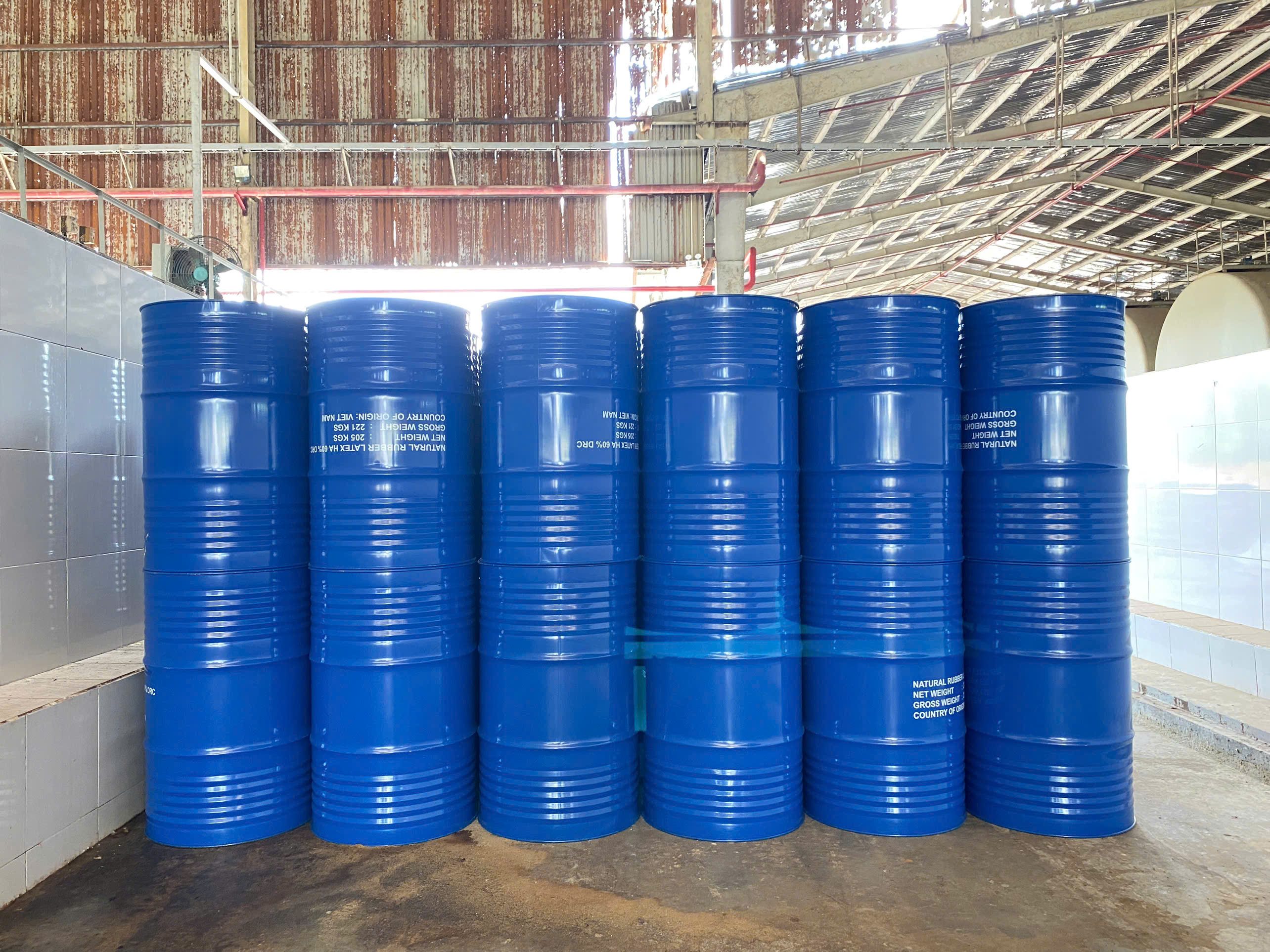
Drums: commonly around 200 kg per drum and suitable for customers requiring smaller handling units or batch separation.
- Ensure drums are clean, intact, and suitable for latex.
- Inspect for leakage, physical damage, or contamination.
- Keep lids properly closed during normal storage.
- Store in a shaded, clean area away from direct sunlight, excessive heat, and excessively cold conditions.
- During extended storage, periodically inspect the latex and gently stir or carefully reposition the drum where appropriate.
Jerry Can
Jerry Cans: commonly around 25 kg per can and suitable for smaller commercial shipments, trial orders, or customers that require easier unit handling.
Before use, make sure each Jerry Can is clean, intact, and properly sealed. Store the containers on a stable surface in a clean, shaded area and protect them from direct sunlight, excessive heat, excessive cold, and contamination.
Key Recommendations
- Keep containers properly closed during normal storage to minimize leakage and external contamination.
- Use containers and contact surfaces that are suitable for ammonia-preserved Natural Rubber Latex and do not introduce corrosion, rust, or other contaminants.
- When latex is transferred from transport packaging to a factory tank, verify that the receiving system is clean before discharge.
Steps to Preserve Natural Rubber Latex Effectively
- Confirm the Latex Grade: Identify whether the material is HA, LA, or another preserved grade and follow the applicable product specification and handling requirements.
- Inspect Packaging on Arrival: Check for leakage, damaged packaging, broken seals, abnormal deformation, contamination, and correct batch identification.
- Store at Approximately 25–30°C Where Practical: Maintain reasonably stable storage conditions.
- Avoid Prolonged Temperatures Around or Above 35°C: Reduce prolonged heat exposure wherever practical.
- Avoid Excessively Cold Conditions: Protect the latex from storage conditions that may adversely affect colloidal stability.
- Protect from Direct Sunlight: Keep drums, IBCs, and Jerry Cans under suitable shade or indoors.
- Keep Containers Clean and Closed: Prevent external water, foreign particles, and contamination from entering the latex.
- Prevent Chemical Contamination: Keep latex away from oils, grease, solvents, strong cleaning chemicals, and incompatible residues.
- Inspect and Gently Mix During Extended Storage: Where appropriate, inspect and gently mix approximately every 10 days according to the packaging and factory handling procedure.
- Apply Practical Storage-Time Control: Preferably use LA Latex within approximately 3 months and HA Latex within approximately 6 months.
- FIFO Principle and Batch Traceability: Use older qualified batches first where appropriate and keep lot identity traceable through storage and production.
- Recheck Stored Latex Before Production: For extended storage, inspect the latex and test relevant parameters according to the agreed specification or factory QC procedure.
Important: Do not adjust ammonia, water, or other preservatives solely from a generic recommendation. Any adjustment should follow an approved product specification, supplier recommendation, or validated factory procedure.
What Should Be Checked Before Using Stored Latex?
Storage time alone is not enough to determine whether a batch of Natural Rubber Latex is suitable for production. Material that has been stored for an extended period should be evaluated based on its physical condition and the parameters relevant to the factory’s process.
Physical Checks
- Lumps or abnormal coagulum
- Unusual separation
- Abnormal colour
- Visible contamination
- Abnormal odour
- Packaging or tank leakage
Relevant Laboratory Parameters
Depending on the agreed specification, applicable standard, factory QC procedure, and end-use application, relevant parameters may include:
- DRC – Dry Rubber Content
- TSC – Total Solids Content
- Alkalinity / ammonia
- VFA – Volatile Fatty Acid number
- MST – Mechanical Stability Time
- Viscosity
- pH
- Coagulum or sludge
Not every factory needs every test before every batch. The testing plan should follow the applicable product specification and process requirement. A single parameter passing specification does not automatically prove that the entire batch will behave identically in production. For long storage periods, trend monitoring can provide useful additional information.
Common Mistakes in Latex Storage and How to Avoid Them
The proper storage of Natural Rubber Latex 60% DRC helps maintain material condition and reduce avoidable production risk. The following mistakes are particularly important for factories to control.
- Storing latex under direct sunlight: Prolonged sunlight can significantly increase container and product temperature. Store packaging under shade or indoors where practical.
- Leaving latex in excessively hot conditions: Prolonged storage around or above approximately 35°C should be avoided.
- Exposing latex to excessively cold conditions: Very cold storage may adversely affect latex stability and increase the risk of lump formation or coagulation.
- Keeping latex static too long without inspection: Extended storage should include periodic checks and, where appropriate, gentle mixing.
- Using contaminated containers or transfer equipment: Dirty tanks, hoses, pumps, or packaging may introduce foreign material into otherwise acceptable latex.
- Allowing contact with oils, solvents, or cleaning chemicals: Incompatible chemicals can negatively affect material condition and processing behaviour.
- Leaving containers open after inspection: If a drum, IBC, or Jerry Can is opened for controlled inspection or mixing, reseal it immediately afterward.
- Treating HA and LA as having identical storage periods: As a practical recommendation, LA is preferably used within approximately 3 months and HA within approximately 6 months.
- Keeping latex for extended periods without rechecking quality: Longer storage should trigger inspection based on the relevant specification and end-use.
- Assuming DRC alone confirms the whole batch condition: DRC is important, but other parameters such as MST, VFA, viscosity, alkalinity, and physical condition may also matter to the process.
Direct sunlight and UV light are also reasons to keep latex packaging under suitable shelter, particularly because outdoor exposure can increase package temperature and weather-related handling risk.
Some solutions to preserve natural rubber:
- Maintain a clean, sheltered storage area with reasonably stable temperature conditions.
- Use suitable containers and clean transfer equipment that do not introduce corrosion or foreign contamination.
- Inspect stored batches and packaging periodically, especially when the recommended storage period is being approached or exceeded.
- Use FIFO and batch traceability to make storage time visible to purchasing, warehouse, QC, and production teams.
Tools and Equipment for Effective Latex Preservation
The exact storage system depends on factory consumption volume, packing type, latex grade, and storage duration. Useful equipment may include:
- Suitable storage tanks or compatible containers for the required storage volume.
- Clean pumps and hoses for controlled transfer without external contamination.
- Gentle mixing equipment where periodic mixing is required by the factory procedure.
- Temperature monitoring devices to identify prolonged exposure outside the preferred practical range.
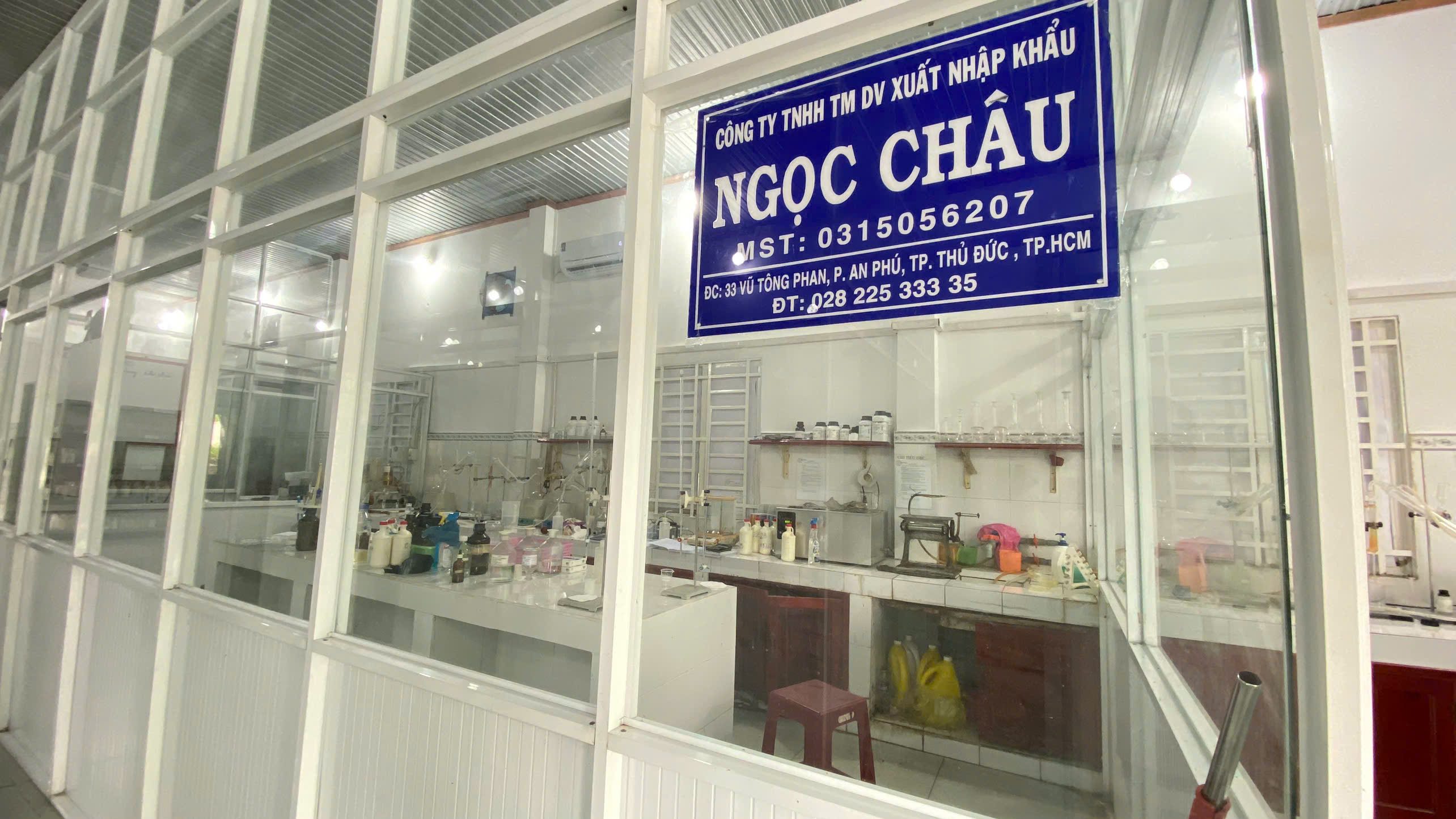
- Sampling and laboratory equipment for the quality checks required by the applicable specification.
- Batch identification and traceability tools to track receiving date, storage time, and production use.
Frequently Asked Questions About Natural Rubber Latex Storage
What is the preferred storage temperature for Natural Rubber Latex 60% DRC?
Approximately 25–30°C is a preferred practical storage range based on Ngoc Chau’s handling experience. The objective is to maintain reasonably stable conditions and avoid prolonged excessive heat or excessively cold storage. The exact factory procedure should also consider the latex grade, packing type, local climate, and storage duration.
What happens if Natural Rubber Latex gets too cold?
Excessively cold conditions may adversely affect latex stability and increase the risk of coagulation or lump formation. If a batch has experienced unusually cold storage, inspect its physical condition and check the parameters relevant to the factory process before use.
Can Natural Rubber Latex be stored above 35°C?
Prolonged storage around or above 35°C should be avoided whenever practical. This is a practical handling recommendation rather than a universal expiry threshold. Short exposure does not automatically mean the latex is unusable, but storage history and actual batch condition should be considered before production.
How long should LA Latex be stored?
LA Latex is preferably used within approximately 3 months as a practical recommendation. This should not be interpreted as an absolute expiry date. If storage extends beyond this period, inspect the material and recheck relevant quality parameters according to the agreed specification or factory QC procedure.
How long should HA Latex be stored?
HA Latex is preferably used within approximately 6 months as a practical recommendation. Actual suitability after longer storage depends on storage conditions, preservation system, packaging condition, contamination control, and the requirements of the intended production process.
Should Natural Rubber Latex be stirred during storage?
Gentle periodic mixing can be useful during extended storage where the packaging and factory procedure allow. As a practical recommendation, a check and gentle mixing around every 10 days may help maintain uniformity. Avoid aggressive shaking or high-shear mixing, and reseal containers immediately after any controlled opening.
Can Natural Rubber Latex be stored in drums or IBC Tanks?
Yes, drums and IBC Tanks can be used when they are clean, intact, properly sealed, and suitable for latex. Store them on a stable surface under shade or indoors, avoid excessive heat and cold, prevent contamination, and periodically inspect the material during extended storage.
What should be checked before using stored Natural Rubber Latex?
Check both physical condition and the quality parameters relevant to the factory process. Physical checks may include lumps, separation, colour, contamination, odour, and leakage. Depending on the specification, laboratory checks may include DRC, TSC, alkalinity, VFA, MST, viscosity, pH, coagulum, or sludge.
Natural Rubber Latex 60% DRC Supply and Technical Support
Ngoc Chau supplies Natural Rubber Latex 60% DRC for industrial applications and supports customers in discussing HA/LA grade selection, packing options, product specifications, COA parameters, shipment requirements, and practical storage and handling considerations.
Quality-management systems such as ISO 9001 can support documented and consistent processes, but individual latex storage decisions should still follow the agreed product specification, actual batch condition, and the customer’s factory requirements.
Customers using drums, IBCs, Jerry Cans, or Flexibags should consider not only freight efficiency but also how the material will be received, stored, inspected, and transferred into production.
Preserving Natural Rubber Latex 60% DRC effectively means controlling temperature, contamination, packaging condition, storage time, and periodic handling rather than relying on a single rule or test result.
For product specifications, packing options, or practical storage and shipment discussions.
📩 Contact Us for Latex 60% DRC Samples & Pricing
📞 WhatsApp: +84 90 284 60 87
🌐 Website: www.ngocchausupplier.com
✉ Email: info@ngocchausupplier.com


Ms Evan