

Contents
To stay competitive in global markets, companies must know exactly how to preserve natural rubber RSS3 under the right temperature and humidity conditions. Effective preservation maintains elasticity and durability, while also ensuring compliance with international standards. With long-term export experience to demanding markets, Ngoc Chau Natural Rubber provides clear, practical preservation guidelines to help manufacturers and importers reduce risks, cut costs, and secure a reliable supply chain.
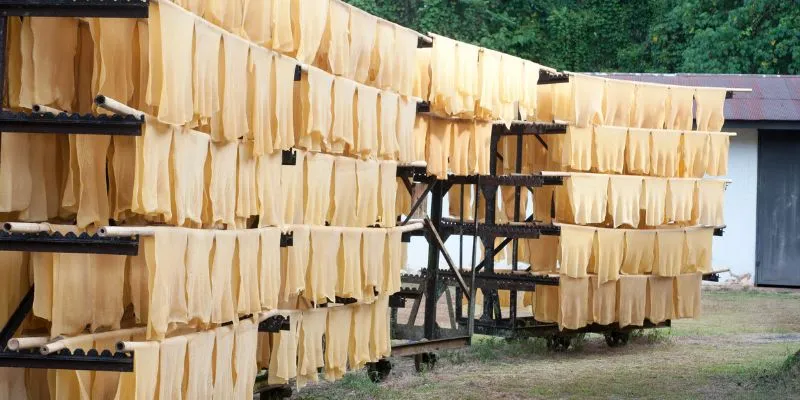
Benefits of Preserving RSS3
Proper preservation is more than a technical requirement — it is a strategic quality-control tool in the global rubber trade. Companies that learn how to preserve natural rubber RSS3 correctly can protect product quality, cut costs, and strengthen trust with international buyers.
-
Maintains Product Quality: Adequate storage prevents undesirable changes in elasticity, viscosity, and performance, keeping RSS3 suitable for demanding applications such as tires, footwear, and industrial rubber goods.
-
Extended Shelf Life: With correct preservation, RSS3 can remain usable for 6–12 months under controlled conditions (15–25°C and 50–60% relative humidity), minimizing spoilage and reducing the frequency of restocking.
-
Cost and Business Efficiency: By avoiding waste and material degradation, businesses reduce operational losses and improve profitability across the supply chain.
-
Regulatory Compliance: Proper storage ensures adherence to ISO and TCVN standards for RSS 3, helping companies maintain market access and buyer confidence.
-
Reliability for Manufacturers: Well-preserved RSS3 guarantees a stable supply of consistent raw material, enabling manufacturers to maintain high production standards without disruption.
Risks of Poor Preservation
While proper preservation offers many benefits, poor storage can cause Natural Rubber RSS3 to lose its value rapidly. These risks affect not only material quality but also overall business performance.
-
Degradation: Excessive heat, UV light, ozone exposure, and high humidity accelerate deterioration, reducing stability.
-
Reduced Performance: Loss of elasticity, viscosity, and PRI makes RSS3 unsuitable for demanding applications like tires and footwear.
-
Increased Costs: Spoiled stock forces restocking, raising operational costs and cutting into profit margins.
-
Customer Dissatisfaction: Poor raw materials lead to substandard end products, loss of repeat business, and reputational damage.
👉 Example: Continuous exposure to temperatures above 38–40°C for just two weeks can significantly reduce elasticity and PRI, making RSS3 risky to use in production.
Key Technical Properties Maintained Through Preservation
To ensure consistent performance and market acceptance, businesses must preserve natural rubber RSS3 under proper conditions. Preservation protects the critical parameters that global buyers and laboratories evaluate when sourcing RSS3.
| Property | Requirement | Why It Matters |
| PRI | ≥ 50 | Ensures stability and oxidation resistance, allowing the rubber to maintain quality during storage and processing. |
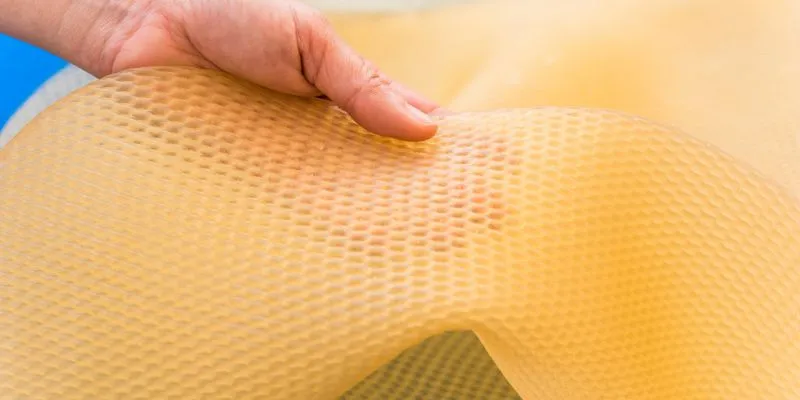
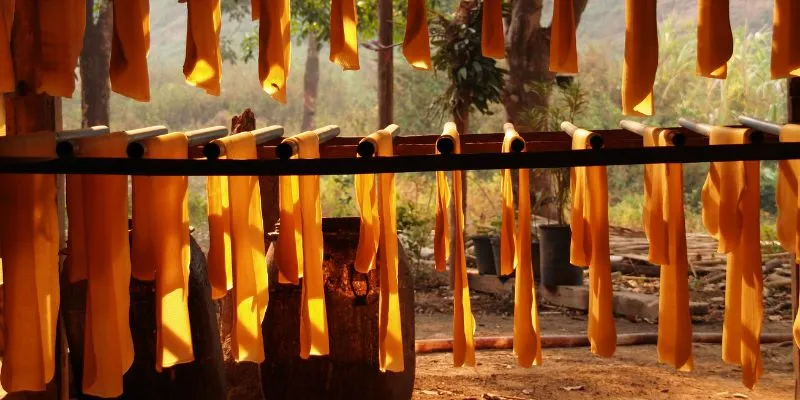
| Color | Yellowish, uniform | A uniform yellowish tone reflects proper smoking and preservation, aligning with international visual standards. |
| Elasticity Index | High | Maintains flexibility and resilience, crucial for performance in tires, footwear, and industrial products. |
| Dirt Content | ≤ 0.05% | Low dirt levels guarantee cleanliness and reliability, reducing defects and rejections in manufacturing. |
👉 By applying best practices to Preserve Natural Rubber RSS3, manufacturers and importers can confidently meet ISO/TCVN requirements, protect material value, and ensure consistent product quality for end-users.
Environmental Controls for RSS3 Storage
Improper storage conditions are one of the most common causes of RSS3 degradation. To avoid costly losses, manufacturers and importers must strictly control environmental factors. By maintaining the right balance of temperature, light, humidity, and ventilation, companies can effectively preserve natural rubber RSS3 and ensure compliance with international standards.
| Factor | Recommendation | Impact |
| Temperature | 20–30°C (always below 38°C) | Prevents softening, oxidation, and thermal degradation. |
| Light | Store away from direct sunlight and UV sources | Reduces oxidation, discoloration, and premature aging. |
| Humidity | 50–60% relative humidity | Prevents mold, microbial growth, and surface stickiness. |
| Ventilation | Cool, dry and well-ventilated warehouse | Keeps the storage environment cool, dry, and stable. |
👉 For instance, relative humidity above 70% can lead to mold formation within just a few weeks. Maintaining these environmental parameters is critical to Preserve Natural Rubber RSS3 and deliver reliable, high-quality raw materials to global markets.
Effective Storage Practices for RSS3
Even with proper environmental controls, poor handling and warehouse practices can still compromise quality. To effectively preserve natural rubber RSS3, manufacturers and importers should follow these industry-standard guidelines:
-
Warehouse Hygiene: Keep storage areas clean and free from mold, insects, and dust. Implement scheduled inspections and cleaning routines to prevent contamination.
-
Protective Coating: Apply a white powder mixture (kerosene + calcium carbonate)—a common practice in RSS3 preservation that prevents bales from sticking and facilitates safe handling. Ensure the coating is applied evenly and renewed if bales are stored for extended periods.
-
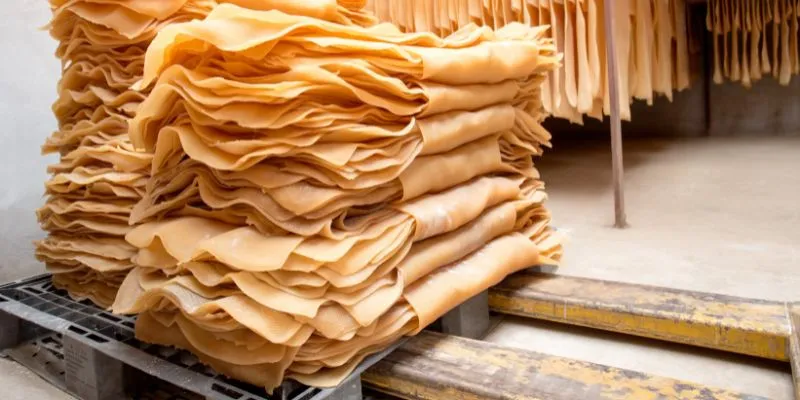
Shelter & Pallets: Store bales on raised pallets in a dry, sheltered area to avoid contact with ground moisture and reduce flood risk. Keep a minimum distance from walls to allow airflow around the bales.
-
Packaging & Labeling: Use strong wrapping and clear identification to ensure safe handling, easy traceability, and compliance with international shipping requirements. Label each pallet with batch number, production date, and storage date to support quality audits.
-
Routine Inspections: Carry out checks at least monthly (or more frequently in humid climates) to detect mold, pests, or physical damage early. Record findings and corrective actions in a simple inspection log.
-
Humidity Stabilization: Place desiccants such as silica gel in storage spaces to keep humidity within safe limits, especially during rainy seasons or in coastal areas.
-
Pest Management: Use insecticides periodically and maintain strict hygiene to eliminate infestations and protect stock, following all safety and environmental regulations.
👉 Adopting these practices ensures that businesses not only preserve natural rubber RSS3 effectively but also deliver reliable, high-quality raw materials to global partners.
Conclusion
Properly preserving natural rubber RSS3 is essential to maintain product quality, extend shelf life, reduce costs, and meet international standards. By applying best practices in temperature, humidity control and warehouse management, manufacturers and importers can ensure reliability, protect brand reputation, and maintain competitiveness in global markets.s.
👉 Contact Ngoc Chau Natural Rubber today to request:
- Request free RSS3 product samples
- Receive detailed technical specifications and test reports
- Get tailored storage and preservation consultation for your warehouse conditions
📧 Email: info@ngocchausupplier.com
🌐 Website: ngocchausupplier.com
📞 WhatsApp: +84 90 284 6087
FAQ on How to Preserve Natural Rubber RSS3
Q1: How long can RSS3 be stored?
→ Under ideal warehouse conditions (20–30°C temperature and 50–60% humidity), natural rubber RSS3 can typically be preserved for 6–12 months. Regular checks of PRI, color and elasticity are recommended to ensure ongoing quality.
Q2: What is the ideal storage temperature for RSS3?
→ The best range is 20–30°C, and the temperature should never exceed 38°C. Exposure to higher temperatures, even for short periods, can accelerate oxidation, reduce elasticity, and lower PRI values.
Q3: Why is protective coating applied to RSS3 bales?
→ A white powder coating, usually a kerosene and calcium carbonate mixture, is applied to RSS3 bales to prevent sticking, facilitate handling, and ensure consistent quality during storage and transport. It also helps reduce surface contact and minor abrasion between bales.
Q4: What happens if humidity levels are too high?
→ Humidity above 70% can lead to mold growth, microbial contamination, and surface stickiness, making RSS3 unsuitable for export. In severe cases, affected bales may need to be downgraded or discarded.
Q5: How can I ensure compliance with international standards?
→ By following proper RSS3 storage guidelines and working with certified suppliers such as Ngoc Chau Natural Rubber, businesses can maintain quality in line with ISO 2000 / TCVN standards, buyer specifications, and independent lab testing.
👉 These FAQs summarise the key points on how to preserve natural rubber RSS3, helping factories and traders reduce risks, protect inventory value, and maintain global buyer confidence.


 Ms Evan