

Contents
- 1 Key Characteristics of RSS 3 Natural Rubber
- 2 Key Technical And Transportation Specifications of RSS 3 Natural Rubber
- 3 Step-by-Step Production of RSS 3 Natural Rubber
- 4 Applications of RSS 3 Natural Rubber
- 5 Why Choose RSS 3 from a Vietnam Supplier – Ngoc Chau Natural Rubber?
- 6 Conclusion
- 7 📌 FAQ – RSS 3 Natural Rubber
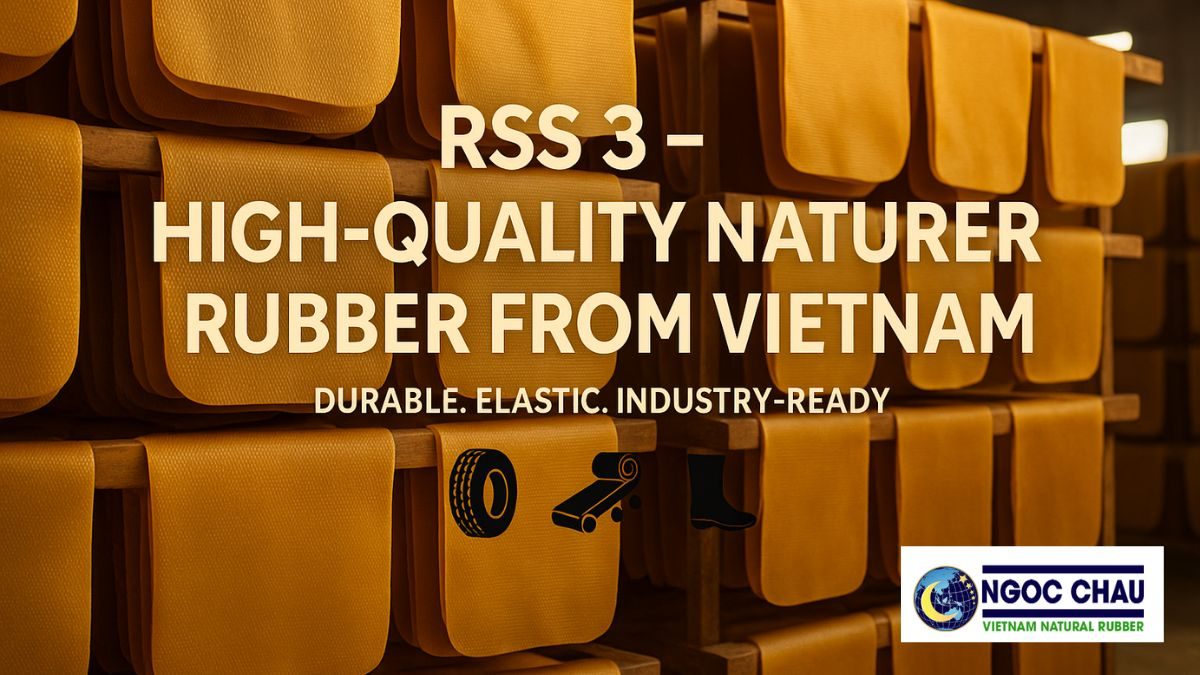
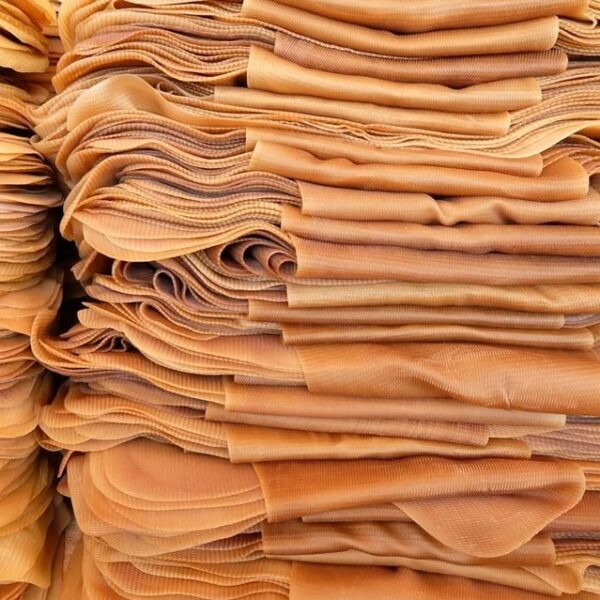
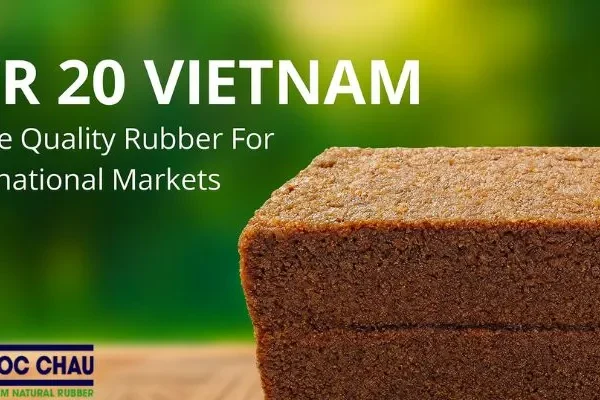
Ribbed Smoked Sheet 3 (RSS 3) is a premium grade of natural rubber produced from high-quality field latex through controlled coagulation, rolling, drying, and smoke-curing processes. This method creates ribbed sheets with excellent durability, elasticity, and resistance to abrasion. Thanks to its high tensile strength and consistent performance, RSS 3 is widely used in tire manufacturing—particularly for truck, bus, and passenger car tires—as well as in industrial rubber products such as hoses, footwear, and shock-absorbing components.
As a trusted Vietnam-based RSS 3 natural rubber manufacturer and exporter, Ngoc Chau Natural Rubber supplies RSS 3 that complies with international standards, offering stable quality, competitive export pricing, and reliable long-term supply for global tire manufacturers and industrial rubber producers.

Key Characteristics of RSS 3 Natural Rubber
1. Exceptional Strength and Reliability
RSS 3 is recognized as a premium grade of natural rubber, valued for its high tensile strength, excellent abrasion resistance, and outstanding elasticity. These qualities make it a dependable material for industries requiring durable and high-performance rubber.
2. Traditional yet Refined Processing
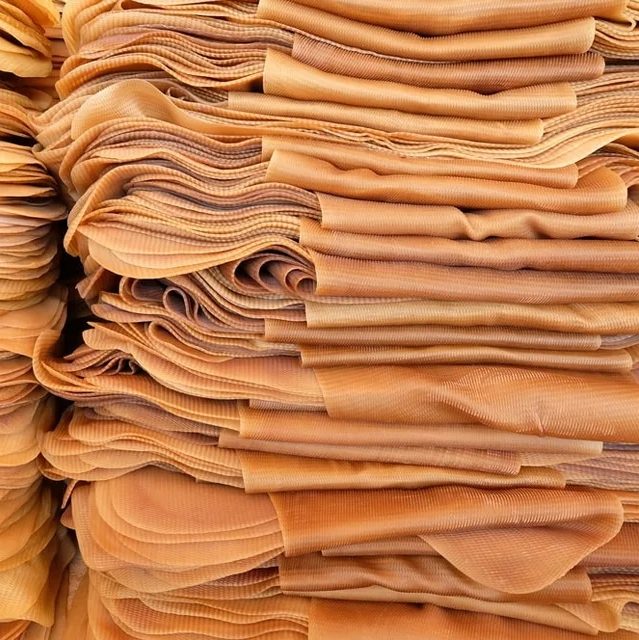
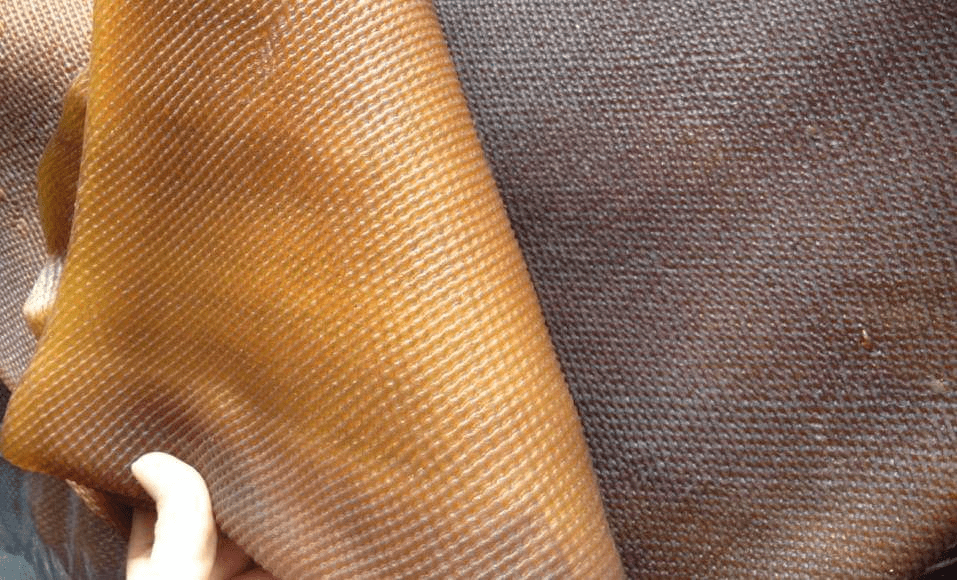
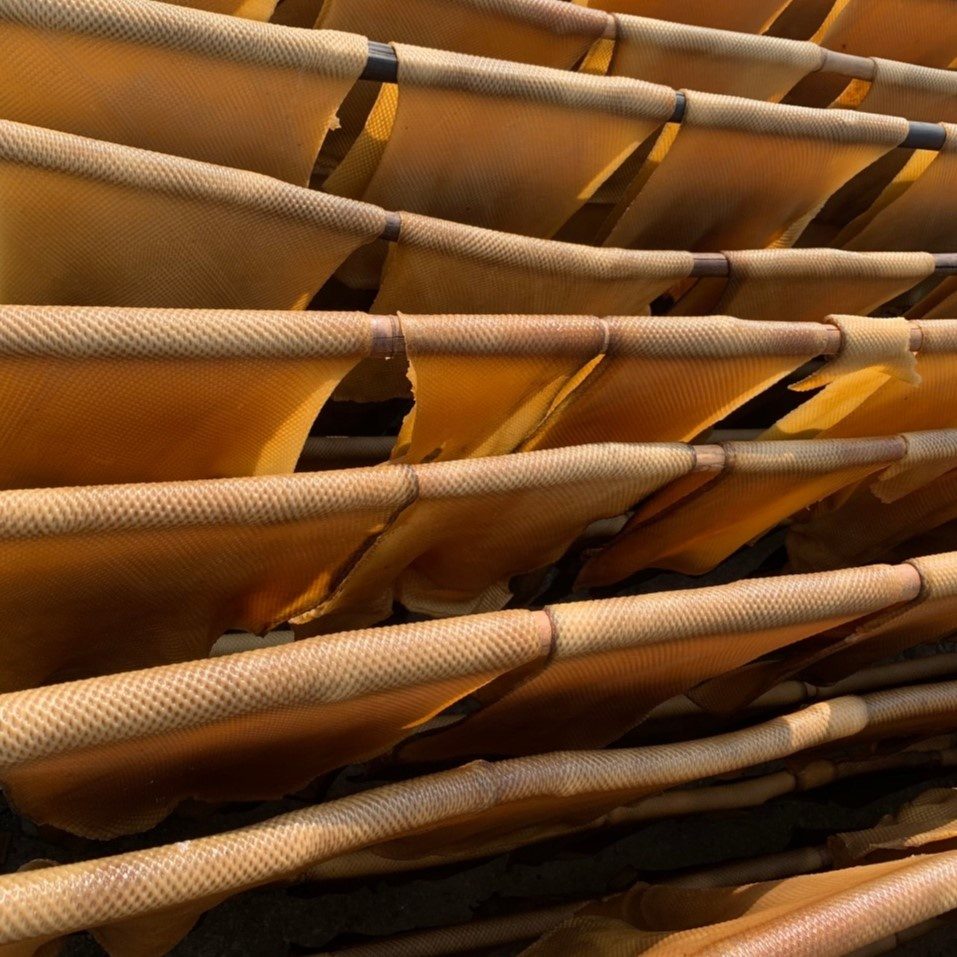
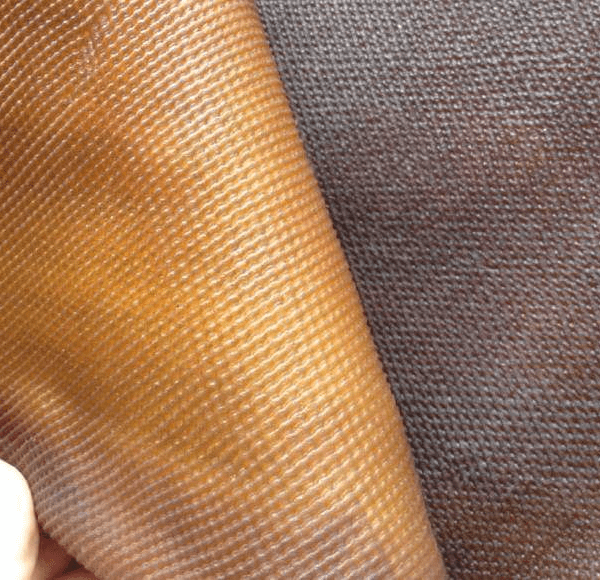
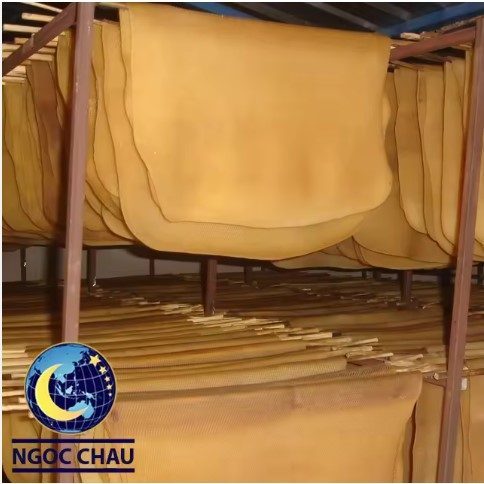
This grade is produced through a meticulous process: fresh latex is coagulated, rolled into ribbed sheets, and then carefully dried and smoke-cured. The smoking stage not only enhances durability but also imparts the distinctive color and aroma associated with ribbed smoked sheets.
3. Quality Grading and Classification
The “3” designation indicates a specific international grading standard. While minor blemishes or small specks are permissible, RSS 3 must remain clean, structurally sound, and evenly smoked to meet export requirements and customer expectations.
4. Balanced Quality and Cost Efficiency
Combining consistent performance with competitive pricing, RSS 3 achieves an ideal balance of quality and affordability. Its versatility and reliability make it one of the most widely traded and sought-after natural rubber grades in global markets.
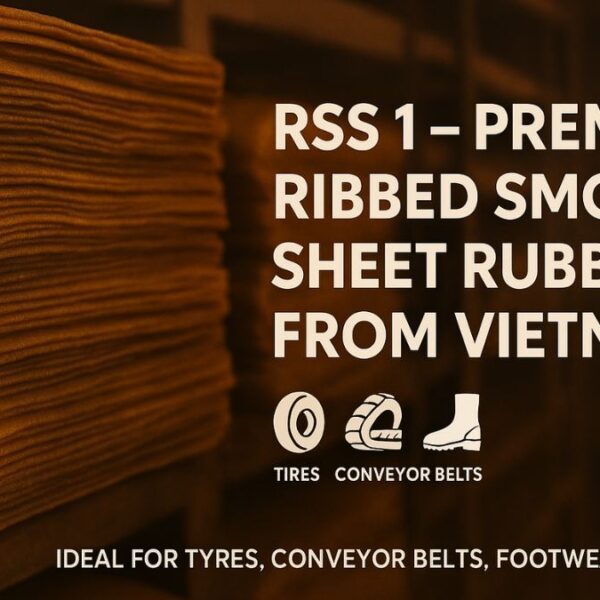
For buyers requiring an even higher visual cleanliness and stricter grading standards, RSS 1 natural rubber is often preferred for premium applications.
Key Technical And Transportation Specifications of RSS 3 Natural Rubber
1. Key Technical Specifications
- Dirt Content: Max 0.10% (visually clean, slight specks allowed).
- Ash Content: Max 1.00%.
- Volatile Matter: Max ~0.26% – 0.8%.
- Nitrogen Content: Max ~0.4% – 0.6%.
- Plasticity Retention Index (PRI): Moderate (e.g., 85-90), indicating good oxidation resistance.
- Mooney Viscosity (ML 1+4 @ 100°C): Typically around 50-60 ± 5, showing good processability.
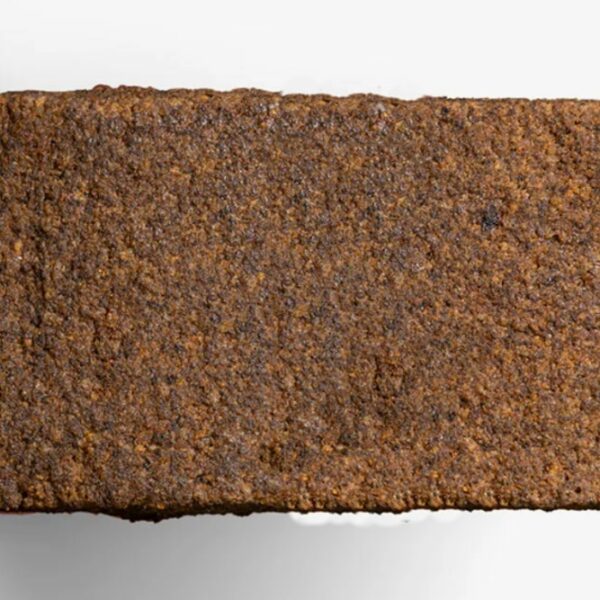
- Color & Appearance: Brownish-yellow, uniform, with minor specks or small bubbles permissible.
2. RSS 3 transportation specifications
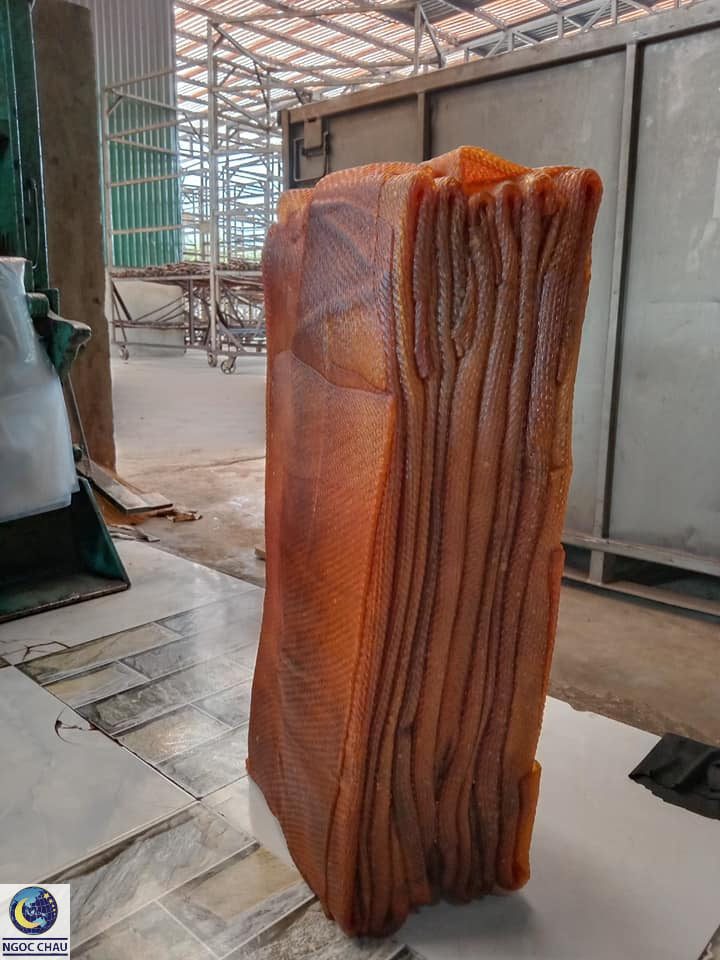
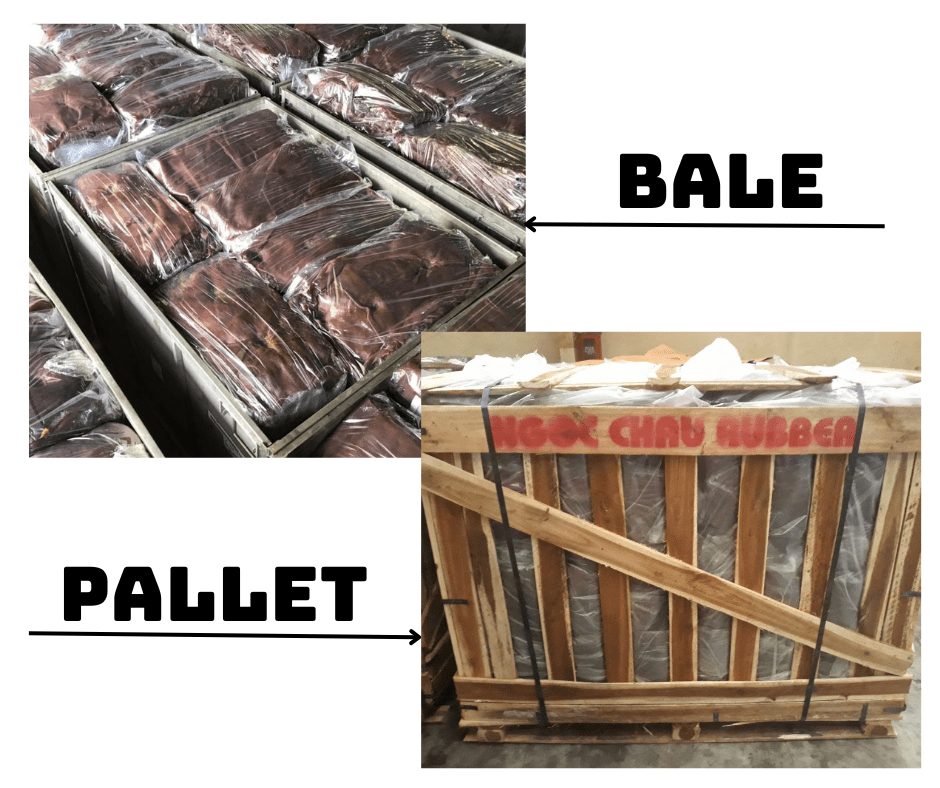
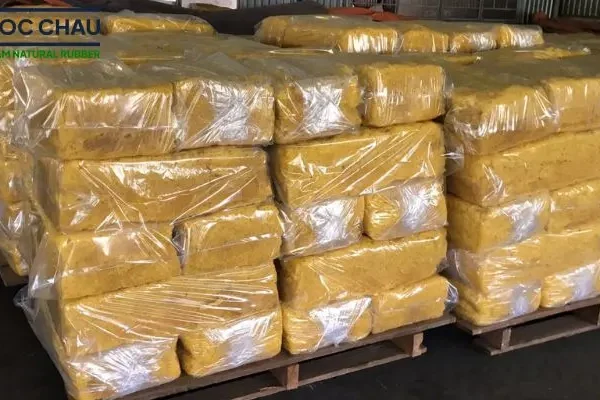
RSS 3 is usually packaged in 4 main ways, depending on usage and transportation needs:
| Packaging Type | Quantity per Unit | Total Units | Total Weight (MTs) | Container Type |
| BALE | 33.33 kgs/Bale | 600 to 630 bales | 20 to 21 MTs | 20 DC |
| 35 kgs/Bale | 600 to 630 bales | 21 to 22.05 MTs | 20 DC | |
| PALLET | 33.33 kgs/Bale; 36 Bales/1.2MTs/Pallet | 16 pallets | 19.2 MTs | 20 DC |
| 35 kgs/Bale; 36 Bales/1.26MTs/Pallet | 16 pallets | 20.16 MTs | 20 DC |
Step-by-Step Production of RSS 3 Natural Rubber
The manufacturing process of RSS 3 follows a strict and standardized workflow designed to ensure sheet purity, consistency, and compliance with international rubber specifications. Each stage — from field latex collection to final grading — is closely monitored to guarantee stable performance for downstream applications such as tires, technical rubber goods, and industrial components.
1. Latex Collection and Quality Screening
Fresh field latex is tapped from Hevea brasiliensis trees and delivered promptly to the processing facility. Upon arrival, the latex undergoes initial screening to assess critical parameters such as acidity (pH), contamination levels, and overall freshness. Only high-quality latex is approved for RSS 3 production to ensure uniform color and mechanical properties.
2. Coagulation and Sheet Formation
The latex is then coagulated using a controlled dose of weak acid — typically formic or acetic acid — to separate the rubber from the liquid serum. After coagulation, the rubber mass is cut and fed into roller mills, where it is pressed into ribbed sheets. These ribbed patterns help improve surface drainage and accelerate downstream drying.
3. Washing and Pre-Drying Preparation
The freshly formed sheets pass through multiple washing tanks to remove residual acid, dirt, bark particles, and other impurities. This washing step is essential to achieve the characteristic cleanliness required in RSS 3 grade. Excess water is then removed through mechanical rollers before the sheets enter the drying phase.
4. Smoking and Final Drying Process
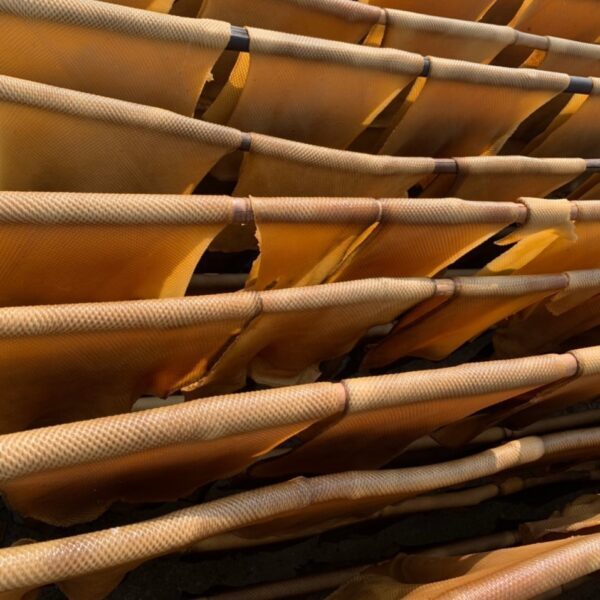
Cleaned ribbed sheets are transferred to smokehouses, where they are hung on racks and dried under controlled heat and smoke for 4–7 days. The smoke acts as a natural preservative, preventing bacterial growth and stabilizing the sheet structure. This stage gives RSS rubber its distinct color, odor, and resistance to oxidation.
5. Grading, Baling, and Export Packaging
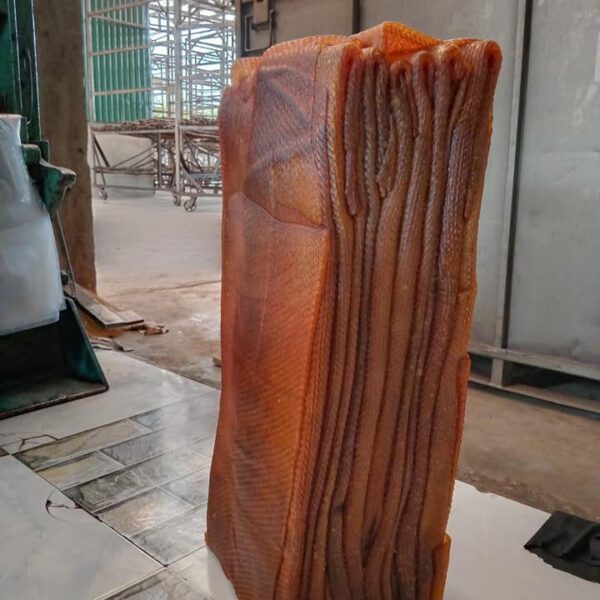
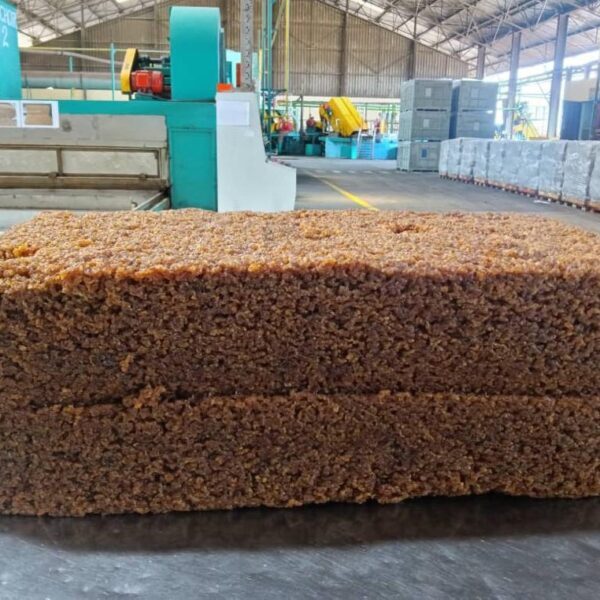
Once fully dried, the sheets are visually inspected according to international grading standards such as the Green Book guidelines. Key criteria include dirt content, color uniformity, ash level, and thickness consistency. Qualified RSS 3 sheets are then compacted into bales, wrapped, strapped, and prepared for container loading. Standardized packaging ensures easy handling, safe transport, and protection during long-distance export.
Applications of RSS 3 Natural Rubber
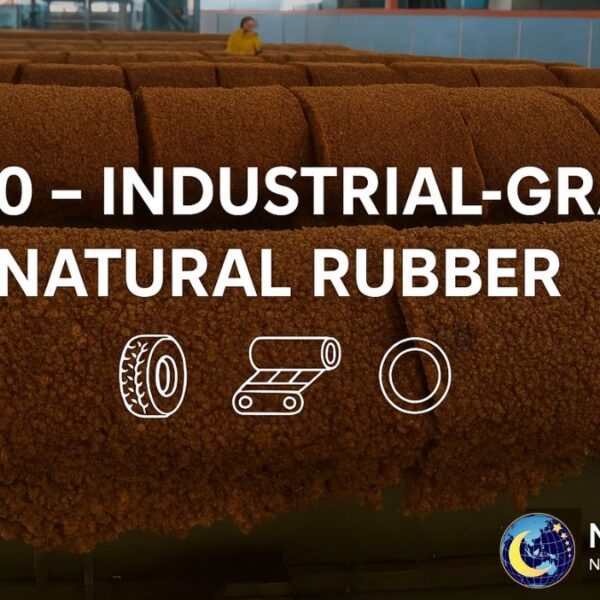
RSS 3 natural rubber is a versatile industrial material renowned for its durability, elasticity, and resistance to wear. Its wide range of applications spans multiple sectors:
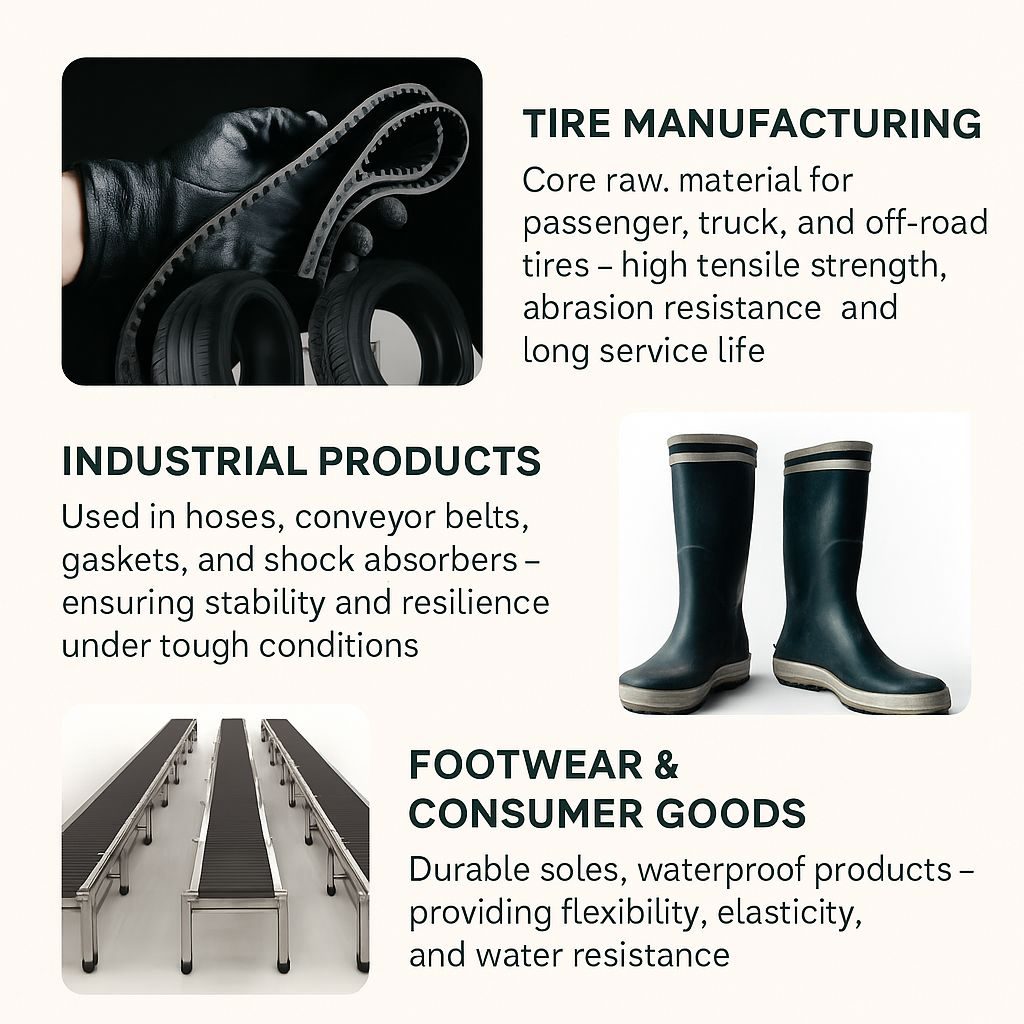
- Tire Manufacturing – Serving as a core raw material for passenger cars, trucks, and off-road vehicles, RSS 3 is essential in producing treads and carcasses. Its high tensile strength and abrasion resistance ensure safety, performance, and long service life for tires.
- Industrial Products – Widely used in manufacturing rubber hoses, conveyor belts, gaskets, and shock absorbers, RSS 3 provides outstanding stability and resilience, even under demanding operational conditions.
- Footwear & Consumer Goods – From durable shoe soles to waterproof rubber products, RSS 3 enhances flexibility, elasticity, and water resistance, making it a reliable choice for everyday consumer applications.
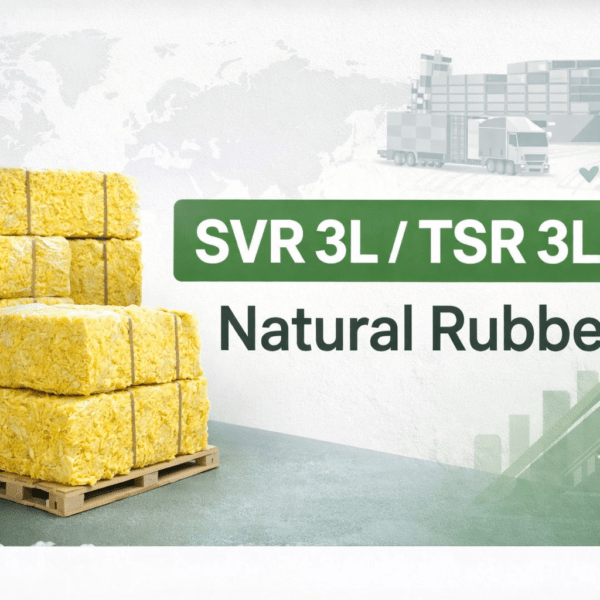
In applications requiring more uniform processing behavior and cleaner compound formulation, manufacturers may alternatively select SVR 3L natural rubber.
Why Choose RSS 3 from a Vietnam Supplier – Ngoc Chau Natural Rubber?
1. Superior Quality & Performance
Our RSS 3 is produced through rigorous processing and strict quality control, ensuring high tensile strength, low dirt content, and optimal elasticity. The rubber sheets are uniformly smoked and meticulously inspected to meet international standards.
2. Consistent Supply & Competitive Pricing
With a robust production capacity, we guarantee a stable and continuous supply of RSS 3 at competitive prices. Our efficient production and cost management enable us to offer premium rubber at the best market rates, fostering long-term partnerships.
3. Comprehensive Customer Support
We provide expert guidance on rubber selection and application, ensuring our customers receive the best solutions for their needs. Our support includes detailed technical documentation such as COA, MSDS, TDS, and C/O for seamless transactions and regulatory compliance.
4. Advanced Processing & Sustainability
Our state-of-the-art facilities ensure uniform quality, high purity, and environmental responsibility. We employ sustainable rubber processing methods that enhance efficiency while minimizing ecological impact.
5. Reliable Logistics & Flexible Shipping
We offer fast and secure shipping worldwide, ensuring timely delivery through optimized packaging and logistics solutions. Our team works closely with clients to meet their specific storage and transportation requirements.
Conclusion
RSS 3 continues to be one of the most reliable and widely used grades of natural rubber, recognized for its excellent strength, elasticity, and cost efficiency across tire, industrial, and footwear applications.
As a trusted Vietnam-based RSS 3 natural rubber manufacturer and exporter, Ngoc Chau Natural Rubber supplies RSS 3 that meets international standards through strict quality control, sustainable processing, and flexible logistics solutions—ensuring consistent supply, stable performance, and competitive pricing for long-term global partners.
📩 Contact us today to explore reliable natural rubber solutions with Ngoc Chau.
📞 Hotline / Mobile: +84 762 798 888
✉️ Email: info@ngocchausupplier.com
🌐 Website: www.ngocchausupplier.com
📌 FAQ – RSS 3 Natural Rubber
Q1. What is RSS 3 natural rubber?
RSS 3 (Ribbed Smoked Sheet 3) is a grade of natural rubber made from coagulated latex, rolled into ribbed sheets, and smoke-cured for durability and elasticity.
Q2. What are the main properties of RSS 3?
It offers high tensile strength, abrasion resistance, elasticity, and low dirt content — ideal for demanding industrial use.
Q3. What is RSS 3 used for?
RSS 3 is widely applied in tire production, industrial goods (hoses, belts, gaskets), and consumer products like footwear.
Q4. How is RSS 3 packaged for export?
It is packed in bales (33.33–35 kg) or pallets, shipped in 20-foot containers with 19–22 MTs per load.
Q5. Why choose Ngoc Chau Natural Rubber for RSS 3?
Ngoc Chau ensures international-standard quality, stable supply, competitive pricing, and flexible global logistics.
Q6. Is Vietnam a reliable source for RSS 3 natural rubber?
Yes. Vietnam is one of the world’s leading natural rubber producers.
RSS 3 from Vietnam is widely exported thanks to stable quality, competitive pricing, and strong compliance with international standards.
Q7. Who is a reliable RSS 3 supplier in Vietnam?
Ngoc Chau Natural Rubber is a Vietnam-based manufacturer and exporter specializing in RSS 3, RSS 1, and SVR grades, supplying global tire and industrial rubber manufacturers.
 Ms Evan